
Why KOH Circulation Systems Are Critical in Green Hydrogen Plants
March 2, 2026
In many industrial systems, achieving high pressure is not just about installing a bigger pump. It is about using the right pump design. This blog explains how multistage pumps generate high pressure efficiently, where they are used in industry, and why selecting the right multistage pump is critical for long-term performance and reliability.
Understanding the Working Principle of Multistage Pumps
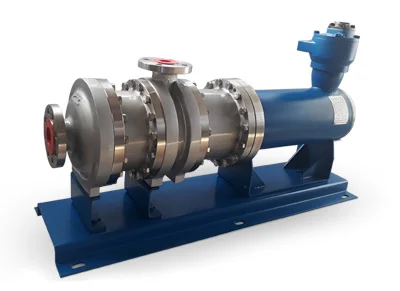
A multistage pump is designed with multiple impellers arranged in series within a single casing. Instead of generating full pressure in one stage, the pump increases pressure gradually at each stage.
Every impeller adds energy to the fluid, and as the liquid moves from one stage to the next, pressure continues to rise. This step-by-step pressure build-up is what allows multistage pumps to achieve high head performance without requiring extremely large impellers or excessive motor power.
In simple terms, if one stage increases pressure slightly, multiple stages combined create a much higher discharge pressure while maintaining efficiency.
Why Single-Stage Pumps Struggle at High Pressure
Single-stage pumps rely on one impeller to generate the required head. When high pressure is needed, the impeller must rotate faster or be larger in diameter. This can lead to:
- Increased vibration
- Higher energy consumption
- Greater wear and tear
- Reduced hydraulic efficiency
In contrast, multistage pumps distribute the load across several impellers. This balanced design reduces stress on individual components and improves operational stability.
Industrial Applications of Multistage Pumps
Multistage pumps are widely used where high pressure and steady flow are essential. Common applications include:
- Boiler feed water systems
- High-rise building water supply
- Reverse osmosis systems
- Industrial cleaning systems
- Power plants
- Pressure boosting stations
- Process industries requiring high discharge pressure
In such environments, performance consistency and reliability are more important than just flow delivery.
How Multistage Pumps Achieve High Pressure Efficiently
1. Stage-by-Stage Pressure Increase
Each stage consists of an impeller and diffuser. As liquid passes through each impeller, velocity increases, and the diffuser converts this velocity into pressure. Repeating this process across multiple stages creates a cumulative pressure increase.
This design ensures smooth pressure generation without sudden hydraulic shock.
2. Improved Hydraulic Balance
Because pressure builds progressively, internal hydraulic forces remain more controlled. This reduces shaft deflection and enhances bearing life.
3. Energy Efficiency at High Head
Multistage pumps are often more energy-efficient than oversized single-stage pumps when operating at high pressure. By dividing the workload across stages, energy usage becomes more optimized.
4. Compact High-Pressure Design
Instead of installing multiple pumps in series externally, a multistage pump achieves the same result within a compact design. This saves installation space and simplifies piping layouts.
Key Design Considerations When Selecting Multistage Pumps
When choosing multistage pumps for industrial use, consider:
- Required discharge pressure (total head)
- Flow rate requirements
- Fluid characteristics (clean water, chemicals, temperature)
- Operating temperature range
- Material compatibility
- Maintenance accessibility
High pressure systems demand precision. Even small design mismatches can lead to efficiency loss or premature wear.
Reliability and Long-Term Performance
High pressure operation means higher mechanical stress. Therefore, the quality of manufacturing, material selection, and internal balancing becomes critical.
At Hydrodyne Pump Teikoku, we understand that high pressure systems require dependable engineering. Our experience in advanced pumping technologies allows us to support industries that demand stability, performance, and long service life. Precision design and robust construction ensure that multistage pumps operate smoothly even under demanding conditions.
Benefits of Using Multistage Pumps
- Stable high pressure output
- Improved energy efficiency
- Reduced mechanical stress
- Compact installation footprint
- Longer service life with proper maintenance
- Suitable for continuous duty operations
For industries where pressure consistency directly impacts productivity, multistage pumps offer a reliable solution.
Conclusion
High pressure applications require more than brute force. They require smart hydraulic design. Multistage pumps deliver high pressure performance by gradually increasing pressure across multiple stages, resulting in improved efficiency, smoother operation, and longer equipment life.
From power plants to industrial process systems, multistage pumps remain a preferred choice where high head and reliability are essential. When engineered correctly and selected based on proper operating conditions, they become a powerful and dependable part of any industrial pumping system.