
Industrial Uses of Hermetically Sealed Canned Motor Pump
February 27, 2026
Why KOH Circulation Systems Are Critical in Green Hydrogen Plants
March 2, 2026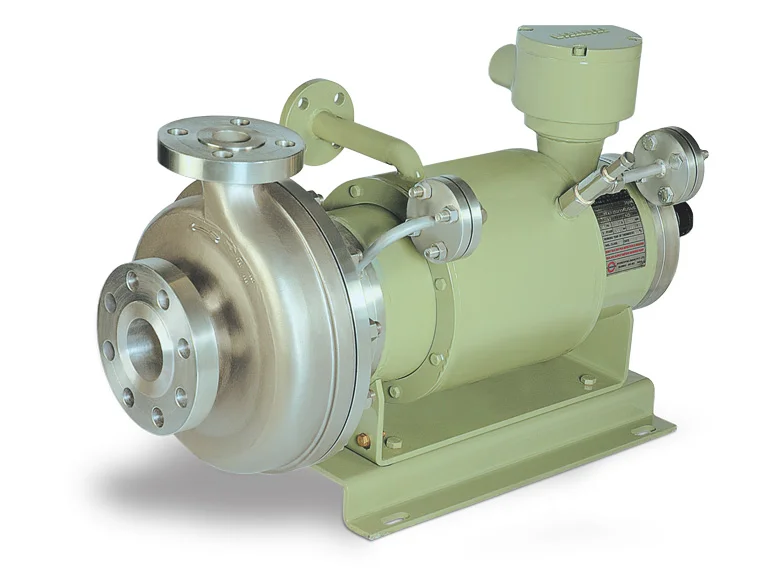
If you are searching for a high temperature pump, it usually means one thing: your normal water pump is not surviving the heat. In many industries HVAC circulation, hot water utilities, process heating, heat exchangers, and thermal loops pumps work continuously under elevated temperatures. When the wrong pump is installed, the result is familiar: seal leakage, bearing damage, noisy operation, cavitation, and frequent shutdowns.
This blog explains the real difference between a high temperature pump and a normal water pump, what changes inside the pump design, and how to choose the right high temperature pump so your plant gets stable performance instead of repeat failures.
What is a high temperature pump?
A high temperature pump is designed to handle hot liquids typically above 80°C, and in many applications in the range of 80°C to 120°C or higher. Normal temperature water pumps are generally used below 80°C.
The key point is: as temperature rises, the pump faces thermal expansion, higher vapor pressure, faster lubricant breakdown, and increased stress on seals and bearings. A true high temperature pump is built to handle these changes safely.
Main differences between high temperature pump and normal pump
1) Seal design and leakage control
The most common failure point at high temperature is sealing. Normal pumps use standard mechanical seals or packing seals that work fine for cold or mild temperature water. But with hot water, seal faces can distort, elastomers can harden, and packing can drip more often.
A high temperature pump typically uses:
- High temperature mechanical seals (better seal face and elastomer selection)
- Seal flushing or cooling arrangements when needed
- Design allowances to handle thermal expansion without seal damage
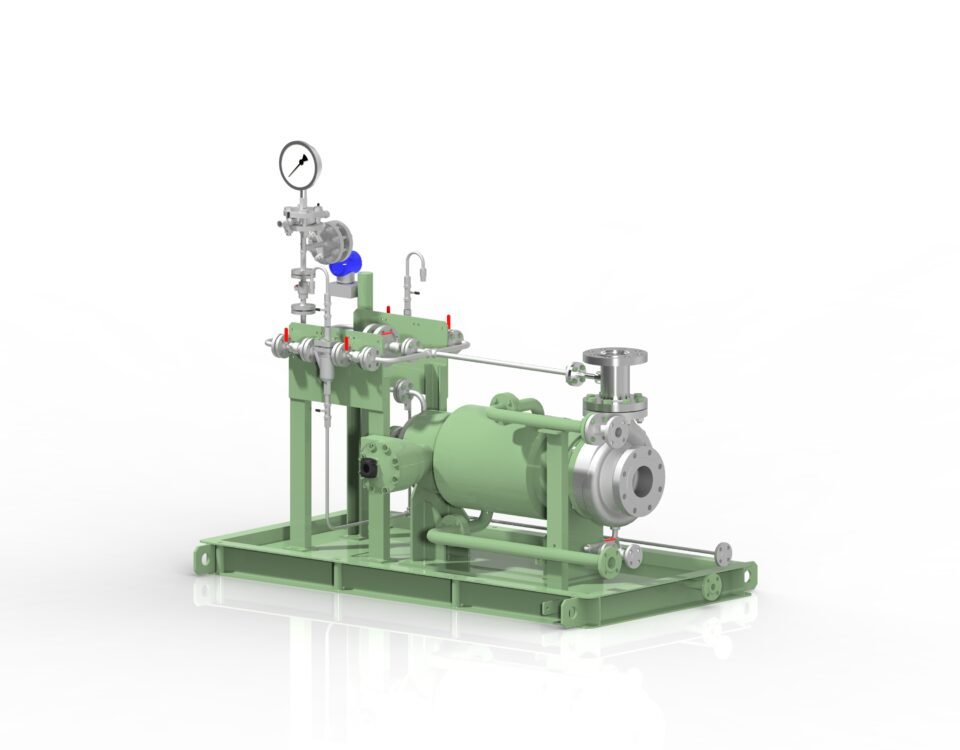
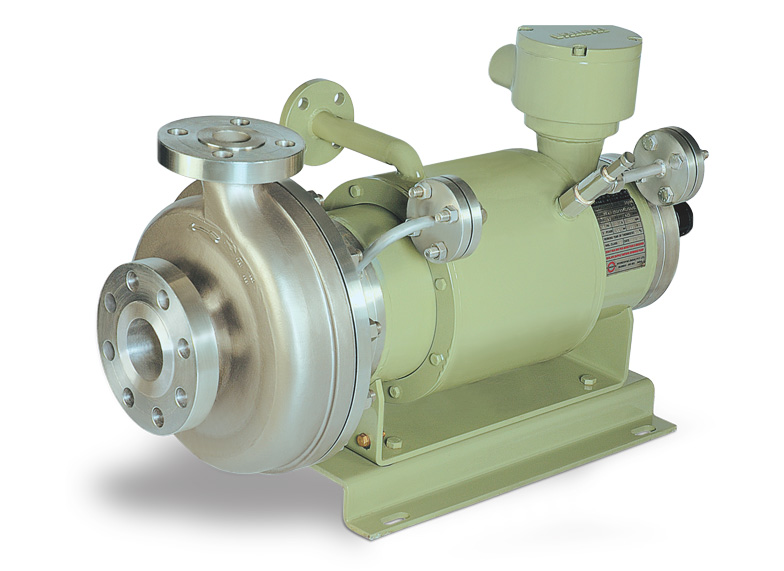
In applications where leakage must be near zero, many plants consider seal-less pumping solutions such as a canned motor pump, because the high temperature liquid is fully contained without a dynamic shaft seal.
2) Materials and thermal expansion management
Hot liquids cause pump components to expand. If the casing, shaft, and impeller expand unevenly, the pump can rub internally, vibrate, and wear out faster.
A good high temperature pump design includes:
- Thermal expansion-friendly clearances
- Materials that maintain strength and stability at elevated temperature
- Robust casing design to reduce distortion under heat
3) Bearings and lubrication at heat
Heat reduces lubricant life. Grease can thin, evaporate faster, or lose protective properties. Bearings also run hotter, and bearing failure becomes more likely if lubrication intervals are not planned properly.
A proper high temperature pump usually includes:
- Heat-resistant lubrication strategy
- Better bearing selection for continuous hot service
- Bearing housing design that reduces heat transfer
- Practical access for maintenance and inspection
4) Cavitation risk and NPSH sensitivity
Hot water has higher vapor pressure, meaning it is closer to flashing into vapor. This increases cavitation risk, especially if suction conditions are poor. Cavitation doesn’t just reduce performance it damages the impeller surface and can destroy hydraulics over time.
When selecting a high temperature pump, check:
- NPSH available vs NPSH required
- Suction piping design (avoid restrictions and sharp bends)
- Operating speed (lower speed can help reduce cavitation)
5) Motor protection and installation approach
In high temperature circulation systems, any leakage can damage the motor and electrical parts. That is why some hot water circulation designs focus heavily on motor protection and installation configuration.
Depending on your process, a high temperature pump may be selected as:
- Inline circulation pump for pipelines
- Horizontal end suction pump for process duty
- Vertical configurations when footprint and layout demand it
How to choose the right high temperature pump
To choose the correct high temperature pump, don’t select by temperature alone. Use these practical selection points:
- Operating temperature and fluctuations
Constant 95°C is easier than cycling 60°C to 120°C. Thermal cycling increases stress. - Fluid quality and chemistry
Clean hot water is different from hot chemical liquids or fluids with solids. - Flow and pressure duty
High temperature pump selection must match continuous duty, not just peak conditions. - Leakage tolerance
If hot fluid leakage is a safety risk, consider seal-less options such as a canned motor pump for better containment. - Maintenance access and uptime requirements
If downtime is expensive, choose designs with longer service intervals and easier servicing.
Maintenance tips to improve high temperature pump life
- Maintain lubrication schedules strictly, heat shortens grease life.
- Monitor vibration and temperature trends to prevent surprise failures.
- Inspect seals regularly, hot duty seals need proactive checks.
- Keep suction conditions stable to reduce cavitation risk.
- If stored idle, keep the pump dry and protected from corrosion.
Where Hydrodyne Pump Teikoku adds value
At Hydrodyne Pump Teikoku, we understand that high temperature pumping requires reliability, safe operation, and stable performance not repeated maintenance cycles. Our experience in leak-free pumping solutions, including canned motor pump technology, supports industries where sealing risks, safety demands, and continuous operations make pump selection a critical decision.
Conclusion
The difference between a normal pump and a high temperature pump is not only the temperature rating. It is the internal design built to handle heat: stronger sealing strategy, thermal expansion control, improved lubrication performance, and reduced cavitation risk.
If your system runs above 80°C, choosing the right high temperature pump can protect your equipment, reduce downtime, and improve efficiency. And if your application demands stronger containment, exploring seal-less technologies like a canned motor pump can be a smart step toward safer, more stable operations.