
How to Troubleshoot Canned Pump Issues
May 2, 2026
Common Misconceptions About Canned Motor Pumps and Motors
May 4, 2026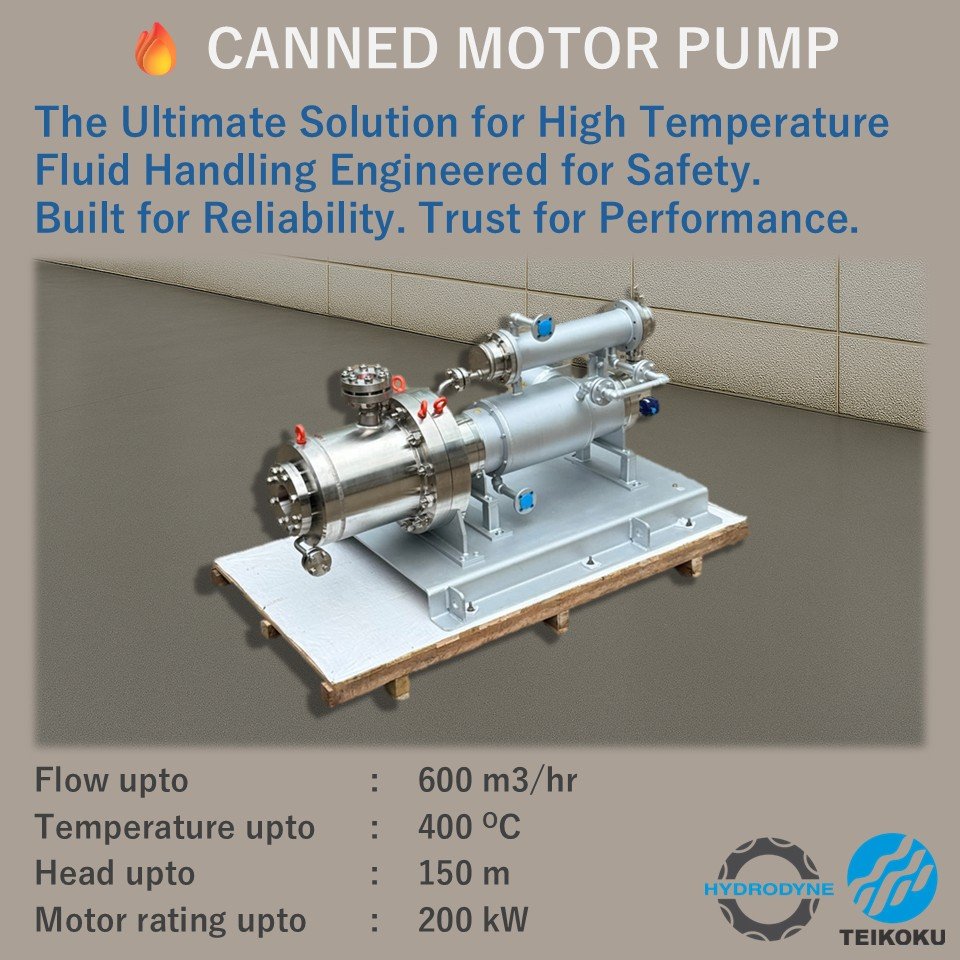
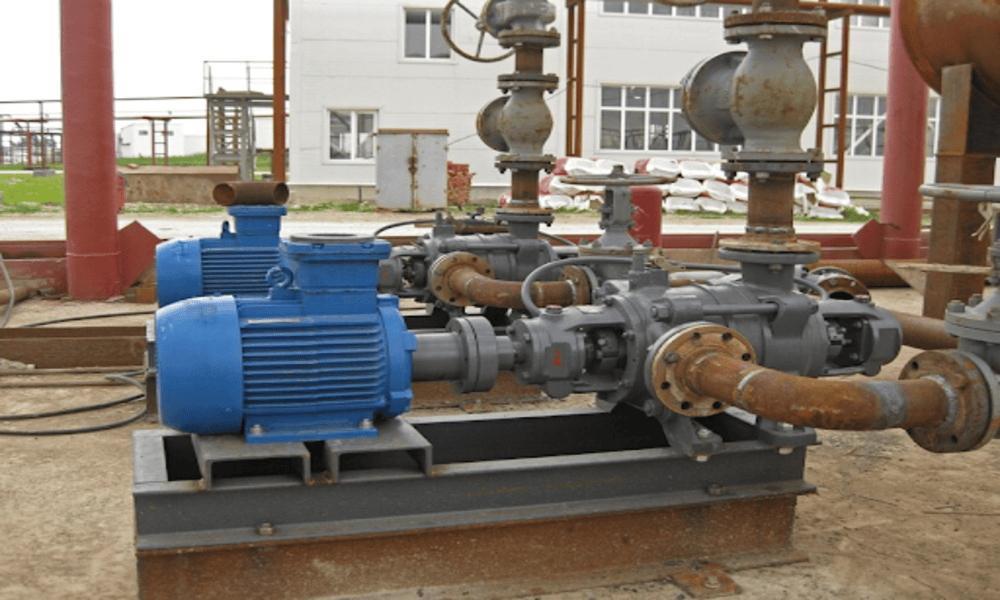
Keeping a centrifugal canned motor pump running smoothly isn’t complicated, but it does require showing up consistently. Equipment that runs well tends to get ignored, which is exactly when problems start brewing. The facilities that don’t struggle with pump failures aren’t lucky—they’ve just figured out that maintenance before the crisis beats maintenance after it every single time.
Here’s the thing about centrifugal canned motor pumps: they’re different from regular pumps. The motor lives inside the can. The fluid you’re pumping is also cooling the motor. That means what happens to your fluid directly impacts motor performance. You can’t just copy maintenance playbooks from conventional pump installations and expect good results.
Fluid is Everything
Your pump’s only as good as the fluid running through it. Contaminated fluid? That’s how you end up with bearing wear that sneaks up on you. Dirty fluid kills efficiency and can wreck the whole unit if you’re not paying attention.
Getting Fluid Analysis Right
Start doing quarterly fluid samples. Send them to a lab that knows what they’re doing. They’ll check:
- Particle counts (ISO 4406 standards)
- Water content
- Viscosity when it’s hot
- How oxidized things are getting
- What metals are showing up
Most pumps do fine at ISO 16/14/11. If you’re running something really critical, you might need ISO 15/13/10 instead. After a couple quarters of data, look at what’s actually happening with contamination. Some places find they can test once a year. Others realize they need monthly checks. Let your actual numbers guide you, not a calendar.
Strainers and Filtration
Your inlet strainer keeps big chunks out. That’s its job, but it doesn’t fix your whole cleanliness problem. For really critical setups, run an offline filtration cart while the pump operates. It sounds expensive, but when you’re running essential equipment, the reliability bump is worth it.
Strainer mesh size matters more than you’d think. Too fine and you choke the suction line. Too coarse and junk gets through. Most applications sit happy at 100-150 micron. That’s not random—that range works because it actually works.
Water Is Your Enemy
Water in the system corrodes bearings, speeds up oxidation, and destroys motor insulation. Desiccant breathers on your reservoir keep moisture out. Check them monthly—more often if you’re in a humid area. Some plants check weekly during rainy season. Yeah, that sounds paranoid. It costs nothing and prevents pump replacement.
Keep your cooler working right. Bad cooling = condensation = water ingress. It’s a chain reaction.
Actually Monitoring What’s Happening
Equipment tells you things constantly. Most places just aren’t listening. Systematic tracking of what your pump’s doing catches problems before they blow up.
Get Your Baseline Numbers
Before you can spot what’s wrong, you need to know what’s right. Measure these things weekly for your first month:
- Suction pressure (vacuum gauge)
- Discharge pressure
- Flow rate
- Motor current
- Vibration at the pump casing
- Casing temperature
- Any temperature sensors on the motor
- Noise level
Stick it in a spreadsheet. Simple. When something changes, you’ll actually know it changed instead of guessing.
Compare to Pump Curves
Your pump documentation has performance curves. It shows what pressure and flow you should expect. Plot your actual readings against those curves. If you’re getting way more pressure than the curve predicts, something’s creating more resistance than it should. If you’re getting way less, internal wear or cavitation is eating your lunch.
Listening Matters
Walk past your pump regularly and listen. Just pay attention. Most operators naturally develop a sense for what normal sounds like. When something shifts, you notice.
Cavitation sounds like grinding mixed with crackling. It’s got a rhythm to it. Bearing damage sounds like grinding or humming that changes pitch. Loose stuff rattles. Connections leak with a hissing sound. None of these are kill-switches if you catch them early. All of them get expensive if ignored.
Scheduled Work That Actually Prevents Failure
Every Month (Seriously, Just 15 Minutes)
Take 15 minutes once a month:
- Look for leaks around discharge connections (there shouldn’t be any)
- Feel the pump casing for hot spots
- Listen for weird sounds
- Check foundation bolts are tight
- Look at your breather cartridge—is it wet?
- Make sure your isolation and check valves move smoothly
That’s it. Fifteen minutes. The alternative is emergency shutdown at 2 AM.
Quarterly—Send Out Fluid Samples
Every quarter, send samples to the lab. Don’t freak out if one sample is slightly off. Look at the trend. Is acid number going up consistently? That tells you when to change fluid. Is particle count stable? Good sign.
Once a Year—Do a Real Inspection
Shut everything down safely. Actually inspect the pump. Look at electrical connections for corrosion. Check suction and discharge piping for damage. Clean or swap out inlet strainers. Make sure check valves work. Compare casing temperature to what your sensors say. Take photos so you can compare next year.
When Contamination Spikes—Flush the System
Sometimes you gotta do circulation flushing. Run the pump at low speed and low temp, pushing fluid through a temporary high-efficiency filter setup. It’s tedious and expensive. Do it anyway if your cleanliness’s gone downhill fast.
When the Pump Needs More Than Maintenance
Watch for these signs that overhaul time is coming:
- Cavitation noise that won’t go away no matter what you fix
- Pressure consistently lower than the curves say it should be
- Motor current creeping up without extra flow
- Vibration getting worse even though foundation’s tight
- Fluid analysis showing metal particles piling up
These things together? The pump’s reached end-of-life for maintenance purposes.
Mistakes That Trash Pumps
Don’t do these things:
- Never run it without confirming your suction’s good. Starting with no inlet pressure destroys the pump through cavitation instantly.
- Don’t ignore temperature creep. Once the motor gets hot, insulation damage starts.
- Don’t use the wrong fluid. It attacks seals and windings.
- Don’t crank down on casing bolts like you’re trying to break them. The can’s precision fitted. Over-tightening warps it.
- Don’t try internal motor repairs without proper equipment. Just don’t.
Keep Records
Write stuff down. Pump name. Date. What you did. What you noticed. When to check it again. That’s enough. Records help with warranty claims, show patterns, and tell you when to replace equipment.
Climate Affects Maintenance
Winter brings condensation risk. Check water in your fluid more often. Make sure your cooler isn’t chilling the fluid so much it gets too thick. Summer? Check breathers more often since they saturate faster in humidity. High-humidity season means more frequent water monitoring.
The Bottom Line
Facilities running strong for 20 years do maintenance. Facilities replacing pumps every 5 years skip it. That’s really the only difference.
Your centrifugal canned motor pump is built to last decades if you maintain it properly. The maintenance cost is nothing compared to emergency replacement.
Hydrodyne Pump Teikoku’s been supporting these pumps through real industrial applications for over 20 years. The pattern’s obvious—discipline beats everything else. If you’re struggling with maintenance or need guidance on your specific setup, reach out to the technical team. They can help you figure out what actually makes sense for your system.
FAQ
1. How often should I change the fluid?
Typically 2-5 years depending on what you’re doing and how clean things stay. Use your lab results to decide, not a calendar.
2. What cleanliness level do I need?
ISO 16/14/11 works for most stuff. If you’re running something precision-critical, go for ISO 15/13/10.
3. Can I use wet vacuum strainers on the inlet?
No. They create too much suction pressure drop. Use dry strainers, 100-150 micron for normal work.
4. What temperature range is safe for running this continuously?
Most handle 0 to 100 degrees Celsius all day long. Some specialty designs go higher. Check your documentation.
5. How much vibration is normal?
Under 3 mm/s (velocity) means you’re good. Above 7 mm/s means something needs looking at.
6. Should I test electrical insulation annually?
Yeah, do it with a megohm meter. Track your baseline so you can spot when things are degrading.
7. What happens if I run it dry at startup?
You destroy it. Instant cavitation damage, bearing wear. Always fill the suction line first.