
What Happens When a Pump Seal Fails in a Chlor-Alkali Plant? (Real Risk Analysis)
June 2, 2026
Why Chemical & Petrochemical Industries Trust Sealless Canned Motor Pumps
June 9, 2026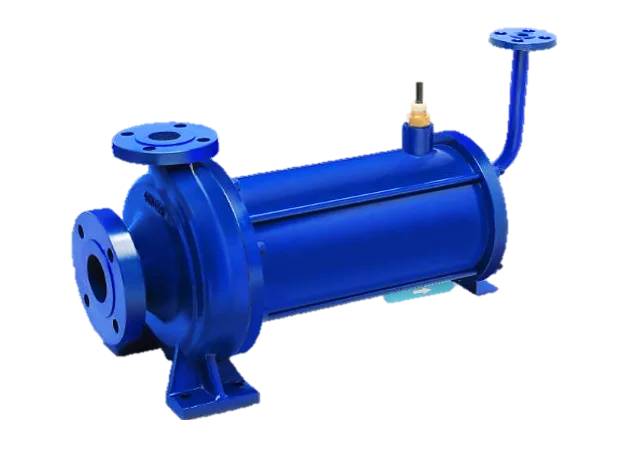
This means even relatively small leaks may affect:
- Nearby vegetation
- Soil chemistry
- Drainage systems
- Exterior equipment
- Rainwater runoff pathways
The leak does not need to be massive to become environmentally damaging.
Why chlorine leaks are difficult to contain outdoors
Inside process buildings, gas detection and ventilation systems provide some level of control.
Outdoor leaks are much harder.
Wind conditions constantly change.
Humidity levels fluctuate.
Temperature gradients affect vapour movement.
A chlorine plume may suddenly shift direction and spread into:
- Cooling tower zones
- Pipe rack corridors
- Stormwater channels
- Utility areas
- Loading stations
This unpredictability complicates environmental response planning significantly.
Facilities located near coastal regions face even greater challenges because humid air accelerates chlorine reaction behaviour.
The hidden environmental problem: secondary corrosion spread
One of the least discussed impacts of chlorine leakage is long-term corrosion spread across industrial infrastructure.
Chlorine vapour attacks:
- Galvanised steel
- Electrical terminals
- Structural supports
- Instrument housings
- Protective coatings
- Ventilation systems
And unlike visible chemical spills, atmospheric corrosion often develops quietly over months.
After repeated low-level leakage events, facilities may discover:
- Damaged cable insulation
- Instrument drift
- Premature electrical failures
- Structural weakening
- Corroded support systems
So the environmental impact is not limited to outside ecosystems alone. The plant itself gradually becomes chemically degraded.
This creates another risk layer because weakened infrastructure increases future containment vulnerability.
How chlorine leakage affects water systems
This is where environmental risk becomes more serious.
If chlorine-contaminated runoff enters water systems, even in diluted form, it may affect:
- Surface water chemistry
- Aquatic organisms
- Microbial ecosystems
- Treatment infrastructure
And chlorine-related compounds do not always remain chemically stable after release.
Depending on environmental conditions, they may react further with organic matter or surrounding contaminants.
Industrial drainage systems become especially vulnerable during leak response activities because emergency washdown procedures may unintentionally spread contamination through connected runoff channels.
In older facilities, drainage segregation is not always perfect either.
That creates long-term environmental compliance concerns.
Why fugitive emissions are becoming a major regulatory issue
Environmental agencies no longer focus only on catastrophic chemical release events.
Recurring fugitive emissions now receive significant scrutiny.
Even low-volume chlorine leakage may trigger:
- Air quality investigations
- Environmental audits
- Leak detection compliance requirements
- Emission reporting obligations
And honestly, this has changed equipment selection decisions across many chemical plants.
Facilities increasingly realise that managing leaks after they occur is not enough anymore. Regulators expect systems designed to minimise leak probability itself.
That shift has accelerated adoption of sealless leak free pumps in hazardous chlorine handling applications.
Why mechanical seals remain vulnerable in chlorine duty
Mechanical seals work effectively in many industrial applications. Chlorine service pushes them into far more difficult territory.
The challenge comes from several combined operating conditions:
- Vapour pressure fluctuation
- Corrosive behaviour under moisture exposure
- Continuous-duty operation
- Temperature instability
- Pressure cycling
Mechanical seals depend on maintaining stable lubrication conditions between rotating seal faces.
Chlorine systems do not always remain stable enough for that.
Once vapour formation begins near the seal interface, seal face lubrication deteriorates rapidly. Heat increases. Wear accelerates. Leakage probability rises.
The process usually starts slowly.
Then suddenly the seal degradation curve becomes steep.
Why small leaks become recurring environmental problems
Large chlorine release incidents are rare compared to chronic micro leakage.
That is the issue many facilities struggle with.
Small recurring emissions may continue for months before major intervention occurs because production pressure often delays shutdown decisions.
Meanwhile the plant experiences:
- Ongoing atmospheric contamination
- Progressive corrosion
- Increased maintenance demand
- Environmental monitoring concerns
- Repeated operator exposure
The cumulative environmental effect becomes much larger than the visible leak itself.
In some facilities, nearby external equipment corrodes years earlier than expected simply because low-level chlorine vapour existed continuously in surrounding operating zones.
How sealless pump systems change the containment strategy
Traditional chlorine pumping systems focus heavily on controlling leakage around rotating shafts.
Sealless leak free pumps approach the problem differently.
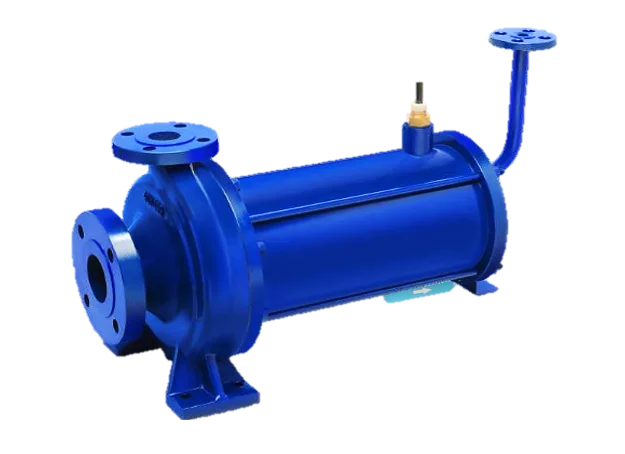
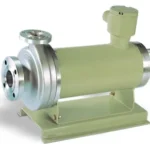
They eliminate the shaft seal entirely.
In a sealless configuration:
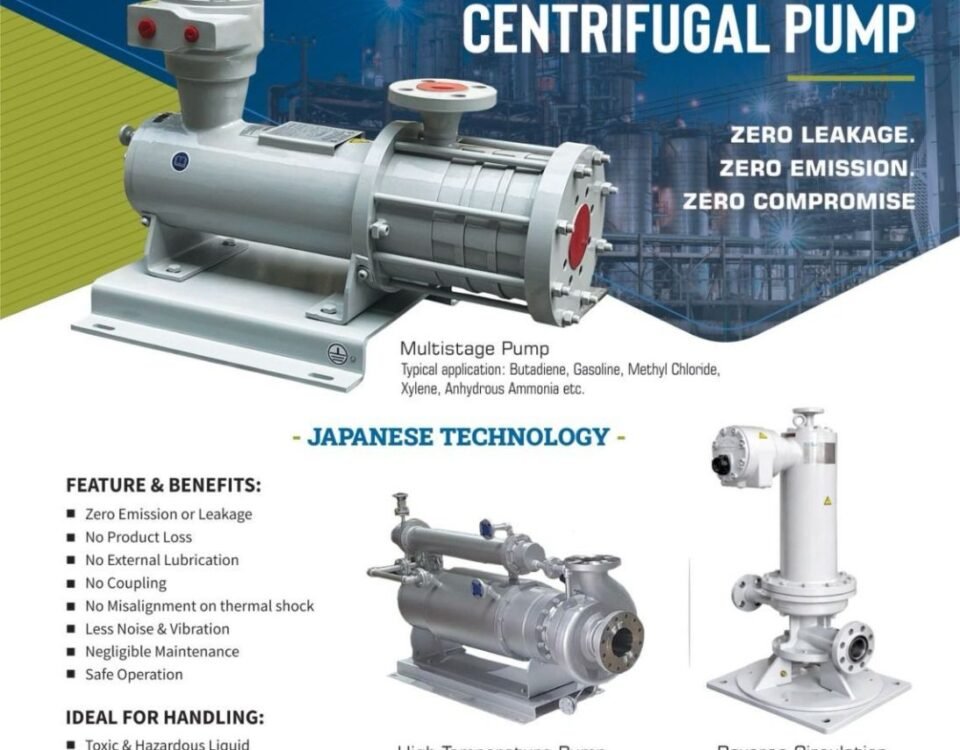
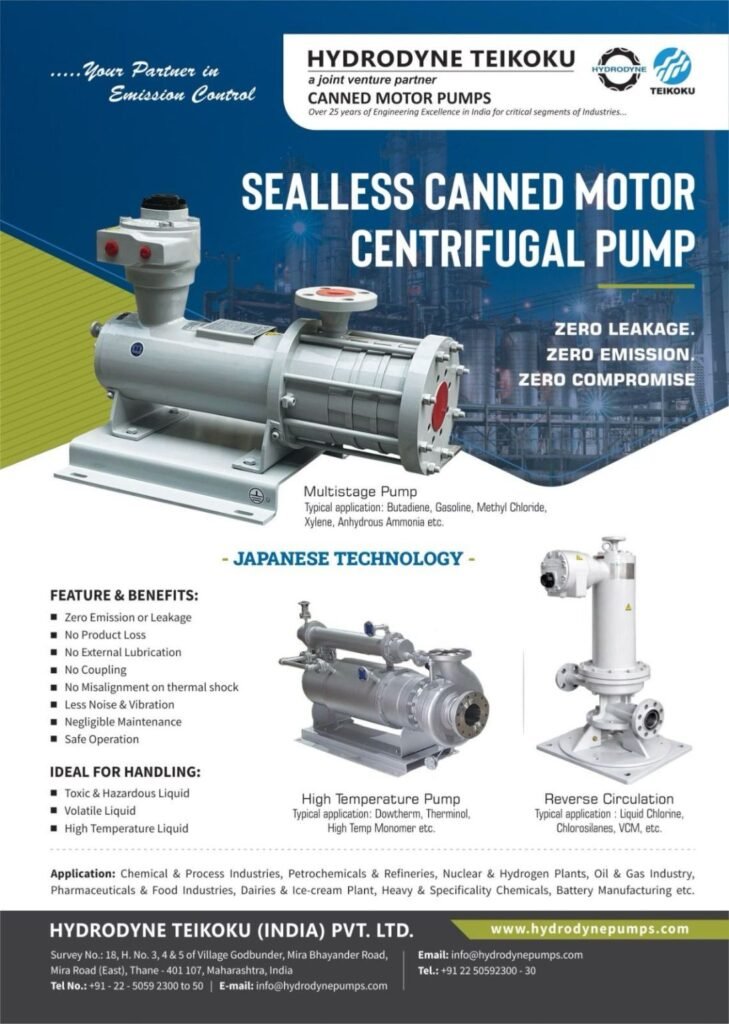
- The motor and pump operate as one enclosed assembly
- No external rotating shaft exists
- No atmospheric seal interface exists
- No seal flush system is required
This changes the environmental containment profile substantially.
Instead of trying to manage gradual seal degradation over time, the design removes one of the primary leak paths completely.
That matters far more in chlorine service than many standard pumping applications.
Why containment integrity matters over long operating cycles
Chlor-alkali plants rarely operate under light-duty conditions.
Most systems run continuously for extended periods under variable process loads.
Over years of operation, small reliability differences become major environmental differences.
A pump system with recurring seal maintenance may create:
- Multiple intervention events annually
- Repeated exposure opportunities
- Higher fugitive emission probability
- Increased contamination risk during servicing
A hermetically sealed system reduces many of those recurring risk points.
And that changes not only maintenance planning but environmental risk exposure across the facility lifecycle.
The environmental cost of emergency maintenance
This area gets overlooked constantly.
Emergency repair situations create some of the highest environmental vulnerability conditions because technicians often need to isolate systems quickly under unstable process conditions.
During emergency seal failure events, facilities may require:
- Water washdown procedures
- Temporary venting
- Chemical neutralisation
- Contaminated component handling
- Drainage isolation
Every intervention step introduces additional environmental exposure possibilities.
Reducing emergency intervention frequency therefore directly improves environmental control.
Why older chlorine plants face bigger leakage risks
Aging chlor-alkali infrastructure creates another layer of environmental concern.
Older facilities often contain:
- Legacy piping layouts
- Corroded support structures
- Mixed metallurgy systems
- Outdated seal support systems
- Inconsistent leak monitoring coverage
In these environments, even minor chlorine leakage accelerates broader infrastructure deterioration.
This is one reason retrofit projects increasingly prioritise containment-focused equipment upgrades rather than only process efficiency improvements.
Why the industry is shifting toward zero-leakage expectations
The chemical processing industry has gradually moved away from the idea that “minor leakage is acceptable.”
That mindset is disappearing fast.
Environmental expectations now focus on:
- Leak prevention
- Emission minimisation
- Containment-first engineering
- Long-term reliability stability
And chlorine service sits at the centre of this transition because the environmental consequences of poor containment are difficult to ignore once systems age.
Conclusion
Chlorine leakage creates far more than an immediate safety problem. Atmospheric reaction behaviour, corrosion spread, drainage contamination, infrastructure degradation, and recurring fugitive emissions all contribute to long-term environmental impact inside and outside industrial facilities.
That is why more chlor-alkali plants are moving toward sealless leak free pumps for hazardous chlorine handling applications. By eliminating external mechanical seals and improving containment integrity, sealless systems help reduce environmental exposure pathways before leakage incidents develop into larger operational or regulatory problems.
We at HydrodynePump Teikoku support chemical processing facilities that require reliable chlorine containment under demanding operating conditions. Our team helps industries implement engineered sealless pumping systems designed to reduce fugitive emissions, minimise environmental leakage risk, and support long-term safe operation in critical chlor-alkali applications.
FAQs
Why is chlorine leakage environmentally dangerous?
Chlorine reacts with atmospheric moisture and may contaminate air, water systems, and surrounding infrastructure.
Can small chlorine leaks cause long-term environmental damage?
Yes. Repeated low-level leakage may create corrosion, contamination, and chronic fugitive emission issues over time.
How do sealless leak free pumps reduce environmental risk?
They eliminate external mechanical seals, which are common leakage points in conventional pump systems.
Why are chlorine leaks difficult to control outdoors?
Wind direction, humidity, and ground-level gas movement make chlorine dispersion unpredictable.
Can chlorine leakage damage industrial infrastructure?
Yes. Chlorine vapour accelerates corrosion in electrical systems, structural steel, and instrumentation.
What are fugitive emissions in chlor-alkali plants?
They are unintended chemical vapour releases that occur during normal operation or equipment degradation.
Why are chlor-alkali plants adopting hermetically sealed systems?
They improve containment reliability and help reduce environmental leakage risk during long-term operation.