
API 685 Compliance and Its Impact on Emission-Free Pump Design
December 2, 2025
Why Hermetic Canned Motor Pumps Are Preferred for Hazardous Media
December 30, 2025
This blog explains the critical factors businesses must consider when selecting the right chemical pump for industrial applications. From material compatibility and flow rate requirements to long-term maintenance considerations, the goal is to help plant managers, procurement teams, and engineers make informed decisions that improve safety, efficiency, and operational reliability.
Understanding the Role of a Chemical Pump in Industrial Operations
A chemical pump is a core component in industries such as chemicals, pharmaceuticals, petrochemicals, power, water treatment, and specialty manufacturing. Its primary role is to transfer aggressive, corrosive, toxic, or high-purity fluids safely and efficiently. Choosing the wrong pump can lead to leakage, unplanned downtime, product contamination, or even safety incidents. Therefore, pump selection should never be based on price alone. It must align with the process conditions, fluid properties, and operational expectations of the plant.
Material Selection: The Foundation of Chemical Pump Performance
Material compatibility is the most critical factor when choosing a chemical pump. The pumped fluid’s chemical composition, concentration, temperature, and pressure determine which materials can be safely used.
Common metallic materials include stainless steel, high-alloy steels, and specialty alloys for moderate to highly corrosive chemicals. For more aggressive media, non-metallic or fluoropolymer-lined components may be required. In high-purity or hazardous applications, sealless pump designs with corrosion-resistant materials significantly reduce leakage risks.
Hydrodyne Teikoku (India) Pvt. Ltd. focuses on engineered solutions where material selection is matched precisely to process chemistry. This approach ensures longer pump life, reduced maintenance, and improved operational safety, especially in continuous duty applications.
Determining the Right Flow Rate and Operating Conditions
Flow rate is another essential consideration when selecting a chemical pump. It defines how much fluid needs to be transferred within a given time while maintaining stable pressure and efficiency. Oversizing or undersizing the pump can both lead to problems. An oversized pump increases energy consumption and mechanical stress, while an undersized pump may fail to meet process demands.
Beyond flow rate, it is equally important to evaluate operating pressure, temperature range, viscosity, and presence of solids or gases. These parameters directly influence pump selection, impeller design, and motor sizing. Accurate system data allows engineers to select a chemical pump that operates close to its best efficiency point, improving reliability and reducing operating costs.
Importance of Sealless and Leak-Free Pump Technology
In many chemical handling applications, leakage is not acceptable due to environmental, safety, or regulatory reasons. Traditional sealed pumps can fail over time due to seal wear, especially when handling hazardous or volatile chemicals.
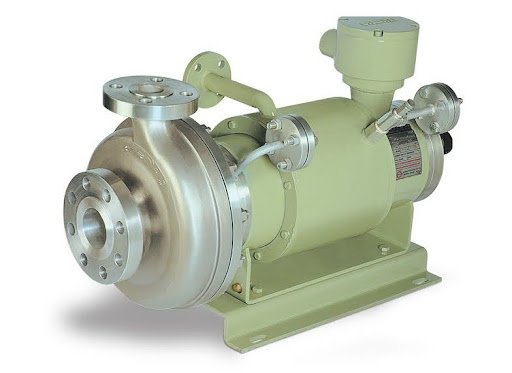
Sealless chemical pump technologies such as canned motor pumps eliminate mechanical seals entirely. This design significantly reduces the risk of leaks and minimizes maintenance requirements. For industries prioritizing zero leakage and long-term reliability, sealless solutions offer a clear advantage.
Hydrodyne Teikoku (India) Pvt. Ltd. specializes in advanced sealless pump technologies that support safe chemical transfer while meeting stringent industrial standards.
Maintenance Essentials for Long-Term Reliability
Maintenance requirements should be evaluated at the time of pump selection, not after installation. A chemical pump designed for continuous operation with fewer moving parts typically results in lower maintenance costs and reduced downtime.
Key maintenance considerations include ease of inspection, availability of spare parts, lubrication requirements, and condition monitoring options. Selecting a pump with proven design reliability and predictable maintenance intervals helps plants maintain stable production schedules.
Regular monitoring of vibration, temperature, and flow performance also plays a critical role in preventing unexpected failures. Pumps that support condition-based maintenance enable early fault detection and improved asset management.
Making the Right Choice for Your Application
Choosing the right chemical pump is a strategic decision that impacts safety, efficiency, and long-term operating costs. By focusing on material compatibility, accurate flow rate calculation, leak-free design, and maintenance planning, businesses can significantly reduce risk and improve process reliability.
With decades of engineering expertise, Hydrodyne Pump Teikoku supports industries with technically robust chemical pump solutions designed for demanding industrial environments. A well-selected pump is not just equipment, but a critical contributor to safe and efficient plant operations.