
High Temperature Pump vs Normal Water Pump: Key Differences for Industry
March 1, 2026
How Multistage Pumps Deliver High Pressure Performance
March 2, 2026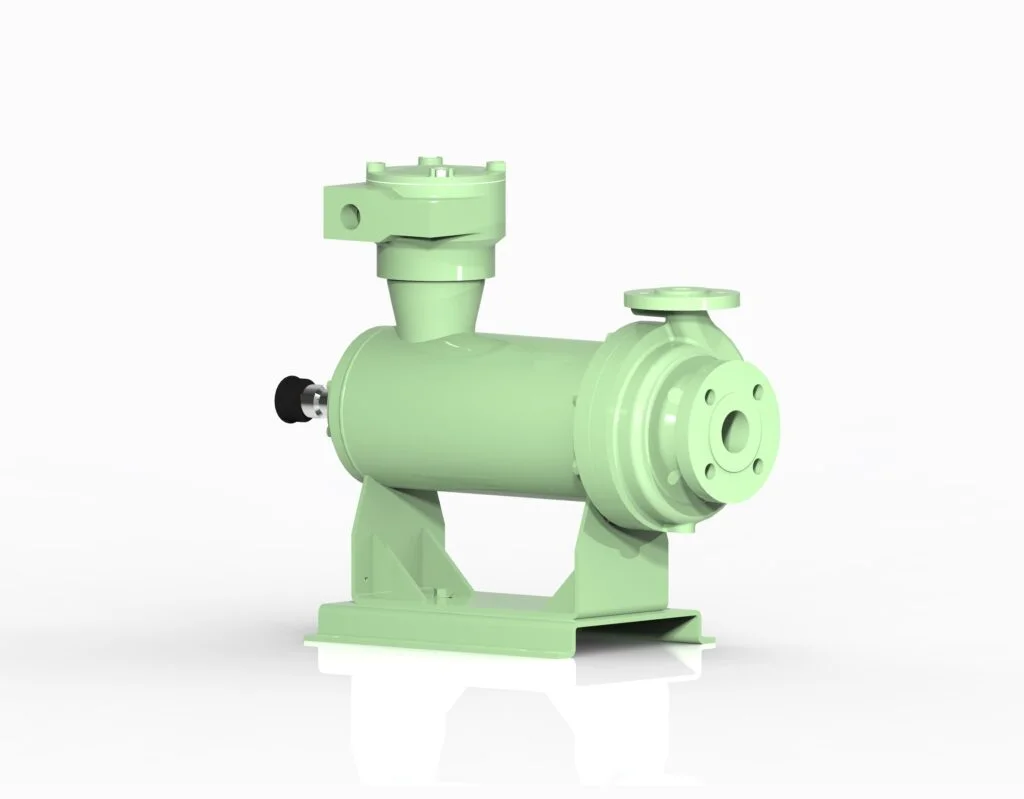
Green hydrogen plants look clean from the outside, but inside they run on highly controlled chemical processes. One of the most important systems in an alkaline electrolyser-based hydrogen plant is the KOH circulation system. If this system is not designed and operated correctly, the plant can face efficiency drops, overheating issues, unstable hydrogen output, and unplanned shutdowns.
This blog explains why KOH circulation is so critical in green hydrogen production, what problems it prevents, and why the right pump selection, especially a canned motor pump, plays a major role in keeping the system safe and reliable.
What KOH Does in Alkaline Electrolysis
In alkaline water electrolysis, KOH (Potassium Hydroxide) works as the electrolyte that allows ions to move between electrodes. Simply put, it supports the chemical reaction that splits water into hydrogen and oxygen.
But KOH cannot stay still inside the system. The electrolyte must circulate continuously between the electrolyser cells, piping network, and heat management equipment to keep the process stable.
When circulation is weak or inconsistent, the plant starts losing performance, and the electrolyser stack becomes harder to protect long term.
1) Stable KOH Concentration Improves Efficiency
Electrolysers need a stable electrolyte concentration to maintain conductivity and consistent hydrogen generation. If the KOH concentration varies in different parts of the loop due to poor circulation, the electrolyser efficiency reduces and power consumption can increase.
A properly engineered KOH circulation system keeps the electrolyte uniform, which helps maintain stable conductivity across cells. That is one of the simplest ways to protect both efficiency and operating costs.
2) Temperature Control Is Not Optional
Electrolysis produces heat. If KOH flow is not controlled properly, heat can build up in certain sections of the electrolyser, leading to hotspots. Overheating can reduce stack life and create serious reliability risks.
That is why many KOH circulation systems include heat exchangers and temperature control loops. By circulating the electrolyte consistently, the system removes heat and keeps temperature within the desired operating range.
This is not just about performance. It is about protecting expensive electrolyser equipment from early ageing.
3) KOH Circulation Helps Remove Gas Bubbles
During electrolysis, hydrogen and oxygen bubbles form continuously. If these bubbles remain trapped, they reduce active electrode surface area and create resistance inside the cell. This lowers output and can lead to unstable operation.
Good KOH circulation helps wash out gas bubbles, keeping the reaction stable and improving electrolyser performance.
4) Safety and Containment Matter in Caustic Service
KOH is a caustic chemical. Even small leaks can create safety hazards for operators and can also damage equipment over time. This is where pump choice becomes very important.
Many conventional systems still rely on mechanical seal pumps, which introduce leakage risk and demand regular seal monitoring, flushing arrangements, and maintenance shutdowns.
For green hydrogen plants that are expected to run for long durations with minimal downtime, this becomes a weak spot.
Why a Canned Motor Pump Is a Smart Choice for KOH Circulation
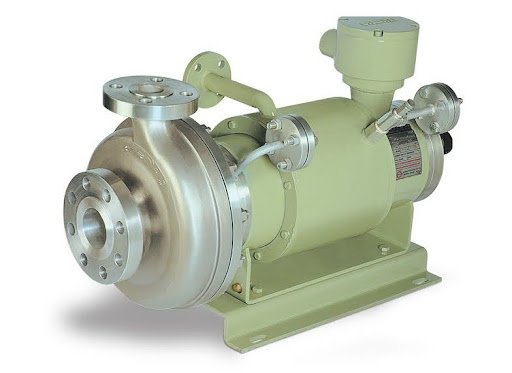
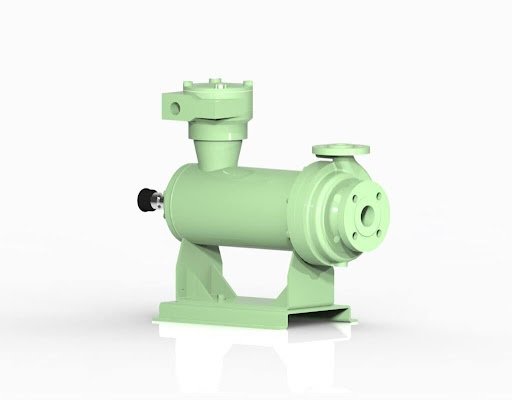
A canned motor pump is designed to run without dynamic shaft seals. The pump and motor are enclosed in a sealed construction, which supports leak free operation.
In KOH circulation systems, this offers major advantages:
- Leak free pumping, reducing risk with caustic electrolyte
- Lower maintenance because there are no mechanical seals to replace
- High reliability for continuous duty hydrogen plants
- Safer plant environment due to better containment
- Cleaner installation with fewer auxiliary seal support systems
When hydrogen projects scale up, reliability becomes the real differentiator. A well-selected canned motor pump can reduce maintenance frequency and support stable operation across months and years.
Where Hydrodyne Pump Teikoku Fits In
At Hydrodyne Pump Teikoku, we understand that systems handling corrosive and critical fluids need more than basic equipment selection. They need proven, dependable pump technology designed for industrial reliability.
With decades of experience in manufacturing canned motor pumps and continuously improving leak free pump designs, Hydrodyne Pump Teikoku supports industries that cannot afford leakage, downtime, or uncertainty in operation exactly the type of environment a KOH circulation loop demands.
Conclusion
A green hydrogen plant is only as stable as its supporting systems. The KOH circulation system plays a central role in maintaining electrolyte conductivity, managing temperature, removing gas bubbles, and protecting overall electrolyser performance.
To make this system reliable, plant designers must focus on correct flow control, robust materials, safe automation, and most importantly, the right pumping technology. A canned motor pump is often one of the most dependable options for KOH circulation because it improves containment, lowers maintenance, and supports continuous duty performance.
In a process as demanding as hydrogen production, KOH circulation is not a side system, it is a core system. And getting it right can directly impact safety, efficiency, and the long-term success of the project.