

Why Pump Reliability Could Become a Bottleneck in India’s Green Hydrogen Scale-Up
November 2, 2026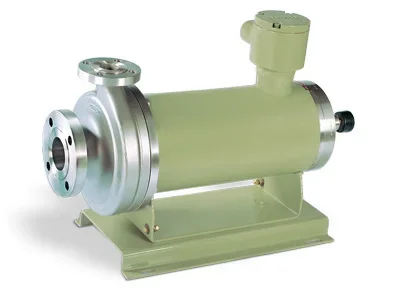
An api 685 canned motor pump vendor should be approved only after technical compliance, process suitability, quality documentation, and service capabilities have been verified. EPC contractors must confirm that the proposed equipment meets project requirements for hazardous or valuable liquids. This guide explains the essential checks, common procurement mistakes, and questions to ask before placing an order.
1. What Is API 685, and Why Does It Matter in Pump Procurement?
API 685 is an American Petroleum Institute standard covering sealless centrifugal pumps for petroleum, petrochemical, and gas industry services. These pumps eliminate the conventional shaft seal, reducing the risk of process liquid escaping through a mechanical seal arrangement.
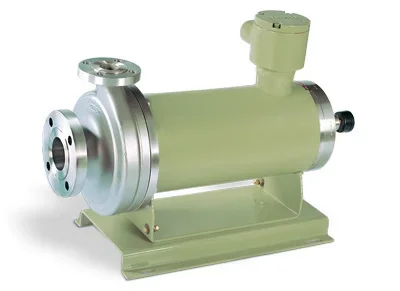
A canned motor pump integrates the pump and electric motor into a compact assembly. The pumped liquid typically lubricates internal bearings and helps remove heat, while a containment shell separates the process liquid from the motor’s electrical components.
This design can suit applications involving toxic, flammable, corrosive, or environmentally sensitive liquids. However, sealless construction does not eliminate every failure risk. Containment integrity, bearing lubrication, cooling, and operating limits remain important.
For EPC contractors, API 685 compliance is a starting point, not automatic proof that a pump suits every application. The vendor must demonstrate compliance with the specified edition and all applicable project requirements.
2. Which Technical Documents Should EPC Contractors Check?
EPC contractors should review the vendor’s technical proposal against the approved pump datasheet, project specifications, and applicable standard. Every deviation must be identified and resolved before technical approval.
The review should establish whether the proposed pump can handle the actual process conditions. These include flow rate, differential pressure, liquid properties, operating temperature, vapour pressure, and required operating range.
The following documents help establish technical suitability:
- Pump datasheet: Confirms design flow, head, speed, temperature, and pressure requirements.
- Performance curve: Shows the relationship between flow, head, efficiency, and power consumption.
- Material selection details: Identify wetted materials and their compatibility with the process liquid.
- General arrangement drawing: Shows dimensions, connections, installation clearances, and maintenance access.
- Motor and electrical data: Confirm voltage, frequency, power, protection, and hazardous-area requirements.
- Quality and inspection plan: Defines inspections, hold points, witness points, and acceptance criteria.
Also request a deviation list, manufacturing schedule, inspection and test plan, and applicable certificates. The exact documentation package varies by project, fluid service, and contractual requirements.
A common mistake is accepting a catalogue model without checking the actual duty point. A pump that meets the nominal flow requirement may still be unsuitable if its head, temperature limits, or minimum flow restrictions do not match the process.
3. How Should EPC Contractors Verify Vendor Quality and Testing?
EPC contractors should verify that the manufacturer has documented quality controls and can perform the inspections required by the purchase specification. Testing must demonstrate that the supplied pump meets the agreed performance, construction, and safety requirements.
Request evidence of relevant manufacturing experience, traceability of critical materials, and quality assurance procedures. Check whether the proposed manufacturing facility can support the inspection and testing schedule.
Important checks include:
- Hydrostatic testing: Verifies pressure-containing components can withstand the specified test pressure.
- Performance testing: Confirms flow, head, power, and other agreed parameters.
- Electrical testing: Checks applicable motor insulation and electrical characteristics.
- Containment checks: Verify that the design and specified tests address the integrity of the containment shell and pressure boundary.
- Inspection records: Confirm material certificates, dimensional inspections, and non-conformance closure.
The applicable standard, purchase order, and inspection plan determine which tests are required. Witness testing by the purchaser or a third-party inspector may be specified for critical services.
Contractors should also review previous project references and quality records where available. Certifications should be checked for validity, scope, and relevance rather than accepted solely because a vendor displays a certificate.
4. How Do You Evaluate Pump Reliability and Lifecycle Costs?
Pump reliability depends on correct application, suitable materials, operating conditions, maintenance practices, and vendor support. Procurement teams should compare the expected cost of owning and operating the equipment, not just the initial purchase price.
A sealless design removes conventional shaft-seal leakage as a failure pathway. However, canned motor pumps can be sensitive to dry running, inadequate cooling, unsuitable liquid properties, and internal bearing wear.
Before approving a vendor, check the following factors:
- Operating protection: Confirm suitable monitoring for temperature, power, and other parameters required by the design.
- Maintenance requirements: Understand inspection intervals, replacement parts, and repair procedures.
- Spare parts availability: Ask about critical components, stocking arrangements, and delivery lead times.
- Service capability: Verify access to trained technicians and repair facilities.
- Lifecycle cost: Consider energy consumption, maintenance, downtime, spare parts, and expected service life.
A lower purchase price may not deliver better value if replacement parts take too long to arrive or the pump requires frequent intervention. Ask vendors to identify critical failure modes and explain how their design addresses them.
5. What Should the Final Vendor Approval Checklist Include?
Final approval should confirm that technical, commercial, quality, and project execution requirements are satisfied. EPC teams should close all critical deviations before releasing the purchase order or authorising manufacturing.
Use this practical checklist during the final review:
- Confirm compliance with the specified API 685 edition and project datasheet.
- Verify process compatibility, hydraulic performance, and material selection.
- Review drawings, inspection plans, test procedures, and quality documents.
- Check delivery schedules, warranty terms, and spare parts commitments.
- Confirm installation, commissioning, and after-sales support arrangements.
- Record deviations, assign responsibilities, and obtain formal closure.
For Indian chemical, petrochemical, pharmaceutical, and oil and gas projects, also check applicable site requirements, electrical regulations, and hazardous-area certifications. Requirements vary according to the plant, equipment location, and process hazards.
Avoid the misconception that an API-compliant design automatically guarantees trouble-free operation. Proper installation, correct operating procedures, and adequate operator training remain essential.
Key Takeaways
- API 685 compliance is important, but project-specific suitability must also be demonstrated.
- Review performance data, materials, drawings, quality records, and required test results.
- Evaluate lifecycle costs, spare parts availability, and service support alongside purchase price.
- Close technical deviations and confirm contractual requirements before final vendor approval.
Frequently Asked Questions
1. What is an API 685 canned motor pump used for?
It is used for transferring process liquids where conventional shaft-seal leakage presents a concern. Typical applications include selected chemical, petrochemical, and hydrocarbon services.
2. Is API 685 compliance mandatory for every canned motor pump?
No. It depends on the project specification, contractual requirements, and intended service. Where API 685 is specified, the purchaser should verify compliance with the required edition and applicable clauses.
3. What documents are required for API 685 pump approval?
Common documents include pump datasheets, performance curves, drawings, material details, inspection and test plans, test reports, and deviation lists. The exact package depends on the project.
4. Can canned motor pumps handle hazardous chemicals?
Yes, when specifically designed and selected for the chemical’s properties and operating conditions. Material compatibility, temperature limits, pressure ratings, and containment integrity must be verified.
5. What causes canned motor pump failures?
Potential causes include dry running, inadequate cooling, bearing wear, contamination, and operation outside approved limits. Proper monitoring and operating procedures help reduce these risks.
6. How should EPC contractors compare pump vendors?
Compare technical compliance, manufacturing quality, testing capabilities, delivery commitments, lifecycle costs, spare parts availability, and service support. Resolve critical deviations before awarding the order.
Conclusion
Approving a pump vendor takes more than flipping through a catalogue or comparing quotations. EPC contractors should verify technical compliance, process compatibility, quality assurance, testing requirements, and long-term service capabilities, since these checks lower procurement risk and support dependable plant operation.
When evaluating an API 685 canned motor pump, give priority to documented evidence and project-specific performance requirements over unsupported reliability claims. Bring in the process, mechanical, electrical, and quality teams before final approval. Before proceeding with procurement, ask shortlisted manufacturers such as hydrodynepumps for a detailed technical proposal, clarify any deviations, and confirm delivery and support commitments.