
Role of Canned Motor Pumps in EDC/VCM/PVC Plants (Downstream Chlorine Use)
June 19, 2026
Lifecycle Cost Comparison: Sealless Pumps vs Conventional Pumps in Hazardous Services
June 23, 2026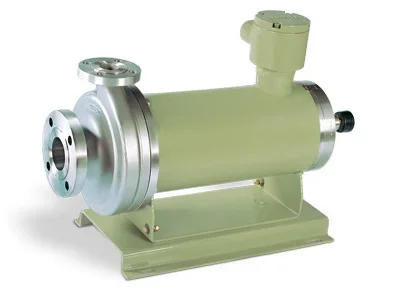
For years, many chemical plants treated pump selection as a capital expenditure decision first and a risk management decision second. That approach is changing fast.
The growing shift toward API 685 Pumps is not happening because operators suddenly want more sophisticated equipment. It is happening because the actual cost of pump failure has changed. Environmental penalties are higher. Downtime costs are harsher. Fugitive emission regulations are tighter. Skilled maintenance resources are thinner. And in hazardous chemical service, even one leakage incident now carries operational consequences that go far beyond replacing a seal kit.
That changes the economics completely.
Today, more facilities evaluate pumps using one question above all others:
“What is the real long-term cost of leakage risk?”
Why traditional pump economics no longer tell the full story
Historically, many procurement decisions focused heavily on:
- Initial purchase price
- Hydraulic efficiency
- Spare part cost
- Maintenance intervals
Those factors still matter, obviously.
But modern chemical processing environments now include additional financial exposures that were previously underestimated or ignored entirely.
For example:
- Emission reporting liabilities
- Worker exposure incidents
- Corrosion-related infrastructure damage
- Emergency shutdown cost
- Environmental remediation
- Insurance pressure
- ESG compliance expectations
Once these factors enter the calculation, the cost comparison between conventional sealed pumps and API 685 Pumps changes dramatically.
What makes API 685 different from conventional pump standards
API 685 specifically addresses seal-less centrifugal pumps used in hazardous chemical service.
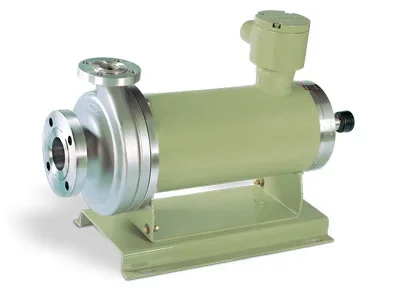
Unlike traditional pump systems relying on external mechanical seals, API 685 Pumps use hermetically sealed containment architecture designed to minimise fugitive emissions and leakage pathways.
This includes:
- Magnetic drive pumps
- Canned motor pump systems
The standard focuses heavily on:
- Containment reliability
- Hazardous fluid handling
- Monitoring systems
- Operational integrity
- Mechanical robustness
And importantly, API 685 does not treat leakage as a maintenance inconvenience.
It treats leakage as a process risk.
That distinction influences the entire engineering philosophy behind these systems.
Why mechanical seal failures remain one of the industry’s most expensive recurring problems
Mechanical seals fail more often than many plants publicly acknowledge.
Not always catastrophically. Sometimes slowly.
A few drops become vapour release.
Minor vapour release becomes chronic corrosion.
Corrosion damages instrumentation.
Instrumentation instability affects process control.
Then maintenance intervention begins repeatedly.
The cumulative cost builds quietly over years.
Inside hazardous chemical service, common seal-related problems include:
- Dry running
- Thermal distortion
- Flush plan instability
- Crystallisation
- Elastomer degradation
- Shaft misalignment
- Cavitation damage
Many plants continue repairing these issues reactively because the direct replacement cost appears manageable.
The indirect operational cost usually tells a different story.
Why fugitive emissions are changing investment priorities
Chemical plants now operate under far stricter emission scrutiny than they did fifteen years ago.
This is particularly true for:
- Chlorine service
- VCM processing
- Aromatics
- Toxic solvents
- Volatile organics
- Corrosive chemicals
Even low-level seal leakage may create measurable regulatory exposure.
And here is the difficult reality.
Most conventional seals are not truly leak-free systems. They are controlled leakage systems.
That operational philosophy increasingly conflicts with modern environmental expectations.
API 685 Pumps support a different containment model entirely because they eliminate the primary atmospheric leakage pathway associated with rotating shaft seals.
Why maintenance cost is becoming less predictable
Many plants originally viewed seal-less pump systems as expensive because of higher upfront capital cost.
But maintenance economics have shifted significantly.
Chemical facilities increasingly face:
- Skilled labour shortages
- Longer shutdown planning cycles
- Spare part logistics delays
- Higher contractor costs
- Stricter hazardous-area procedures
Seal replacement no longer represents only component cost.
Now it includes:
- Isolation procedures
- Gas testing
- Permit management
- Hazardous exposure precautions
- Production coordination
- Startup validation
Suddenly, “routine maintenance” becomes operationally expensive.
This is one reason many plants now prioritise equipment that reduces intervention frequency altogether.
Why shutdown cost outweighs pump purchase price surprisingly fast
A single process interruption inside a continuous chemical plant may cost more than the pump itself.
Especially in facilities producing:
- Chlor-alkali products
- Polymers
- Petrochemicals
- Speciality chemicals
- Vinyl monomers
A containment-related shutdown may trigger:
- Production loss
- Feedstock imbalance
- Thermal cycling stress
- Restart complexity
- Utility instability
- Environmental reporting requirements
When operators evaluate total risk exposure properly, the initial price difference between conventional systems and API 685 Pumps often becomes relatively small.
This is why lifecycle analysis increasingly dominates procurement decisions.
Why insurance and compliance teams now influence pump selection
This is a newer shift across many large facilities.
Pump selection used to remain mostly within engineering and maintenance departments.
Now:
- ESG teams
- Environmental compliance officers
- Corporate risk management
- Insurance assessors
- Process safety groups
all influence equipment decisions.
Why?
Because leakage events create enterprise-level consequences, not merely maintenance issues.
A chronic emission problem may affect:
- Insurance premiums
- Audit performance
- Community relations
- Sustainability reporting
- Corporate environmental targets
Containment reliability now influences corporate risk posture directly.
Why API 685 systems support ESG goals more realistically
Some sustainability discussions inside industry become vague quickly.
This topic is more measurable.
Leak reduction directly affects:
- Fugitive emissions
- Hazardous waste generation
- Worker exposure
- Secondary corrosion
- Maintenance-related disposal
Facilities pursuing ESG targets increasingly prefer technologies producing quantifiable operational improvements.
Hermetically sealed API 685 Pumps support those goals because reduced leakage performance can be tracked operationally.
And unlike offsets or reporting metrics, containment improvement happens physically at the equipment level.
Why older plants are retrofitting seal-less systems selectively
Not every plant replaces all conventional pumps immediately.
Most facilities prioritise high-risk services first.
Typical retrofit targets include:
- Toxic chemicals
- Volatile hydrocarbons
- Chlorine systems
- High-temperature solvents
- Carcinogenic media
- Corrosive transfer systems
Operators usually begin where recurring seal problems already exist.
Interestingly, many retrofits happen after years of repeated maintenance frustration rather than after major accidents.
The operational pattern becomes too expensive to ignore eventually.
Why energy efficiency alone is no longer the main conversation
Pump marketing historically focused heavily on hydraulic efficiency.
Efficiency still matters, but many chemical plants now ask broader operational questions:
- How often will intervention be required?
- What is the containment failure probability?
- What happens during upset conditions?
- How much fugitive emission exposure exists?
- What is the long-term maintenance burden?
This changes procurement discussions fundamentally.
The industry is slowly moving from efficiency-centric thinking toward reliability-and-risk-centric thinking.
Why API 685 adoption is accelerating in hazardous process industries
Several trends are converging simultaneously:
Environmental regulation is tightening
Facilities face stronger enforcement around emissions and hazardous leakage.
Plants are operating longer between shutdowns
Extended operating cycles increase pressure on long-term reliability.
Maintenance teams are shrinking
Plants increasingly prefer equipment requiring fewer interventions.
Corporate ESG commitments are becoming measurable
Operational containment performance now affects public reporting.
Process safety expectations are rising
Leak prevention receives more attention than leak response.
Under these conditions, API 685 Pumps align naturally with broader industry direction.
Why the “cheap pump” often becomes the expensive option
This is probably the biggest operational lesson many plants eventually learn.
The least expensive pump on procurement spreadsheets often becomes the most expensive pump over ten years of operation.
Not because the equipment itself fails immediately.
Because recurring leakage, shutdowns, corrosion spread, maintenance exposure, and compliance pressure accumulate slowly over time.
And chemical plants rarely pay for failure only once.
They pay repeatedly through:
- Lost uptime
- Labour
- Inspection
- Reporting
- Repairs
- Secondary equipment damage
That cumulative exposure changes how experienced operators evaluate pump technology.
Conclusion
Chemical plants are shifting toward API 685 Pumps because the true economics of hazardous fluid handling have changed. Modern facilities must account for fugitive emissions, environmental compliance, maintenance exposure, production interruption risk, and long-term containment reliability alongside traditional equipment cost considerations.
As these operational pressures increase, hermetically sealed API 685 systems offer a more stable long-term approach for hazardous chemical service. By reducing leakage pathways, minimising maintenance intervention, and supporting safer process containment, these systems help plants manage both operational cost and enterprise-level risk more effectively over time.
We at HydrodynePump Teikoku support chemical industries requiring reliable API 685 pumping systems for hazardous and corrosive process applications. Our team helps facilities implement engineered seal-less pump solutions designed for long-term containment integrity, reduced fugitive emissions, and safer continuous-duty plant operation under demanding chemical processing conditions.
FAQs
What are API 685 Pumps designed for?
They are designed for seal-less hazardous chemical service where containment reliability is critical.
Why are chemical plants moving away from conventional seals?
Recurring leakage, maintenance burden, and fugitive emission risk have become increasingly expensive.
Do API 685 systems reduce environmental risk?
Yes. Their hermetically sealed design helps minimise fugitive emissions and leakage exposure.
Are API 685 Pumps only used in chlorine applications?
No. They are widely used in petrochemical, solvent, toxic chemical, and volatile hydrocarbon services.
Why is lifecycle cost important in pump selection?
Initial equipment cost often represents only a small portion of long-term operational expense.
How do seal-less pumps support ESG goals?
They help reduce emissions, maintenance waste, and hazardous chemical exposure.
Are retrofit projects common for API 685 systems?
Yes. Many plants retrofit seal-less systems in high-risk or high-maintenance process areas.