
Lifecycle Cost Comparison: Sealless Pumps vs Conventional Pumps in Hazardous Services
June 23, 2026
Why Multi Stage Canned Motor Pumps Are Preferred for High-Pressure Chemical Transfer Systems
July 1, 2026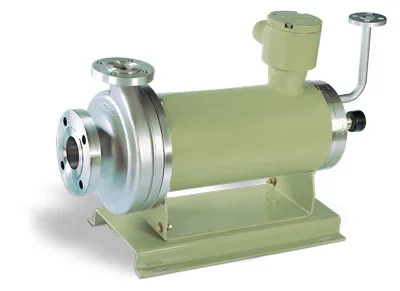
Chlorine plants rarely fail because operators ignore safety. Most incidents happen because small mechanical vulnerabilities stay inside the process for years until one day they do not.
That is exactly why many chlor-alkali facilities are replacing conventional sealed pumps with Canned Motor Pumps in chlorine transfer systems. The shift is not about trend or equipment modernisation alone. It is about removing one specific failure point that has historically caused persistent operational risk: the mechanical seal.
In chlorine service, even a microscopic leak matters. Chlorine does not behave like ordinary process media. It reacts aggressively with moisture, spreads rapidly as toxic gas, attacks nearby infrastructure, and creates immediate personnel exposure concerns. Plants operating continuous chlorine handling systems already know this. The issue is not awareness. The issue is how to eliminate leakage pathways realistically.
This case study examines how one chlor-alkali facility reduced recurring chlorine leak incidents, maintenance shutdowns, and corrosion exposure after transitioning critical transfer applications to hermetically sealed Canned Motor Pumps.
The plant situation before the upgrade
The facility operated a membrane-cell chlor-alkali process producing:
- Liquid chlorine
- Caustic soda
- Hydrogen
The chlorine liquefaction and transfer section used conventional mechanically sealed centrifugal pumps installed nearly a decade earlier.
Initially, the system performed adequately.
But over time, recurring operational problems began appearing:
- Minor chlorine vapour release near seal areas
- Frequent seal replacement intervals
- Corrosion around nearby supports and instrumentation
- Increasing maintenance intervention frequency
- Operator concern during startup conditions
None of these issues caused catastrophic shutdown initially.
That is what made the problem dangerous.
The leaks were intermittent and relatively small, but chlorine systems do not require large leakage volume to create operational risk.
Why the problem became difficult to manage
The maintenance team initially attempted standard corrective actions:
- Seal replacement
- Alignment checks
- Improved flushing
- Better vibration monitoring
- Shaft inspection
- Seal material upgrades
These measures improved reliability temporarily.
Then leakage returned.
The core issue was not poor maintenance practice. The root problem came from the process conditions themselves.
The actual operating challenges inside chlorine transfer service
Liquid chlorine service creates several conditions that are extremely difficult for conventional seals:
Low lubricity
Chlorine does not lubricate seal faces effectively compared to many hydrocarbons.
Vapour formation sensitivity
Small pressure fluctuations can create flashing near seal surfaces.
Moisture reaction risk
Even trace atmospheric moisture reacting with chlorine may accelerate corrosion rapidly.
Temperature instability
During startup and varying process load, thermal changes affect seal face stability.
Toxicity consequences
A tiny leak that would be considered operationally minor in another service becomes serious immediately in chlorine handling.
Over time, the plant realised they were not fighting isolated maintenance problems.
They were fighting a design limitation inherent to dynamic sealing in chlorine service.
The turning point that triggered system redesign
The decisive moment came during an unplanned maintenance shutdown.
A relatively small seal leak triggered:
- Chlorine detector activation
- Area isolation
- Emergency ventilation response
- Production slowdown
- Extended maintenance access restrictions
No injuries occurred.
But the operational disruption exposed how vulnerable the transfer section had become.
The plant engineering group began reviewing alternatives focused not on improving seals, but eliminating them entirely.
That evaluation led toward Canned Motor Pumps.
Why the plant selected Canned Motor Pumps instead of upgraded seal systems
Several options were evaluated:
- Dual mechanical seals
- Pressurised seal support systems
- Magnetic drive pumps
- Hermetically sealed Canned Motor Pumps
The final decision came down to containment philosophy.
The engineering team wanted:
- No external rotating seal
- Minimal atmospheric leakage pathways
- Reduced maintenance exposure
- Stable long-duration operation
- Lower fugitive emission risk
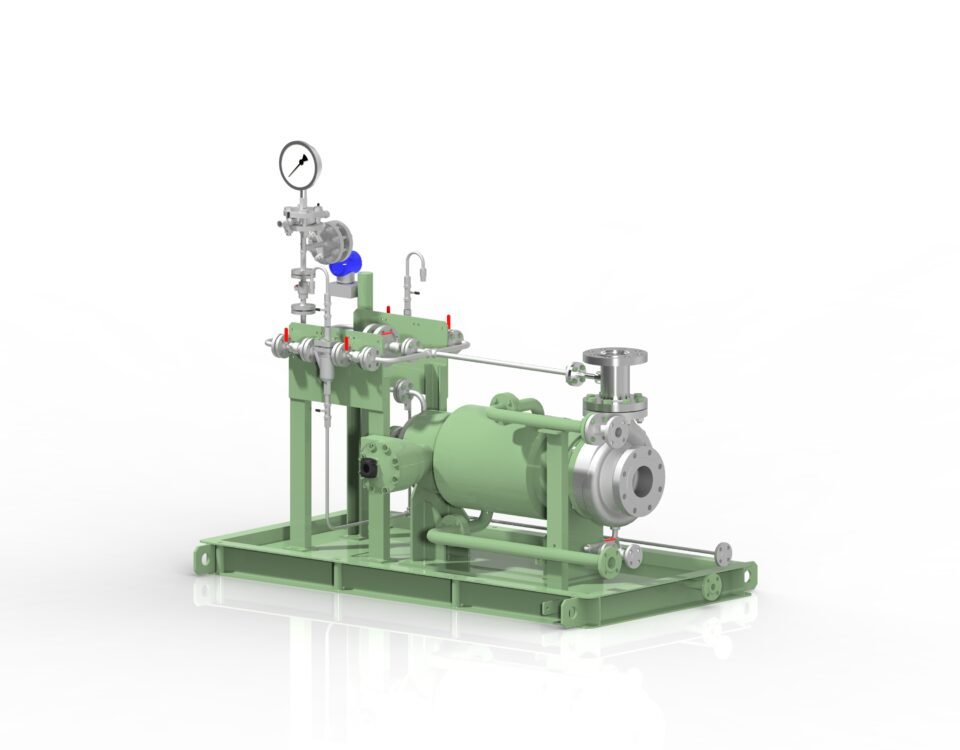
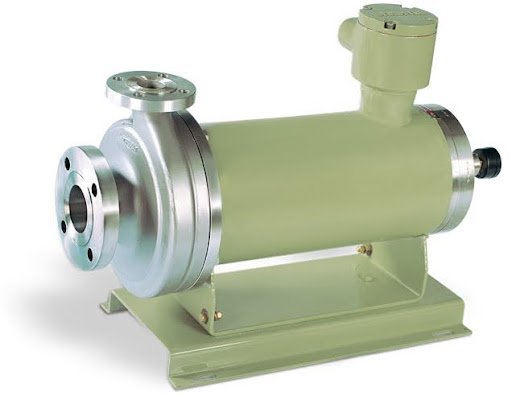
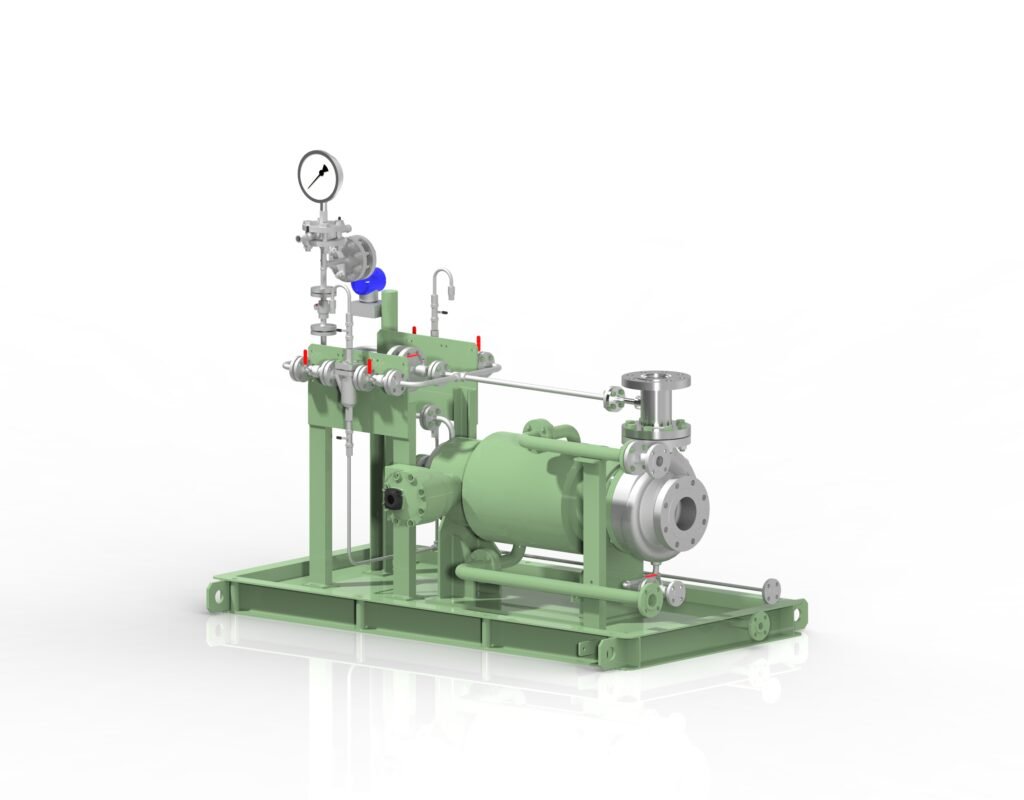
Unlike externally sealed systems, Canned Motor Pumps integrate the motor and hydraulic section inside a fully enclosed pressure boundary.
That architecture removed the primary leak path completely.
And honestly, this changed the operational mindset inside the plant.
Instead of controlling leakage better, they focused on structurally preventing leakage.
What changed after installation
The replacement project targeted the chlorine transfer pumps between liquefaction and storage handling sections.
The pumps were upgraded to hermetically sealed Canned Motor Pumps designed specifically for chlorine service.
Several operational changes became noticeable within the first operating cycle.
Chlorine detector events dropped sharply
Previously, low-level detector alarms occurred periodically near pump locations.
After conversion, these events reduced significantly because seal-area vapour release no longer existed.
Maintenance intervention frequency decreased
Routine seal maintenance activities disappeared entirely from the application.
This reduced:
- Hazardous-area intervention
- Permit procedures
- Isolation work
- Emergency maintenance exposure
Corrosion progression slowed
Nearby support structures and instrumentation showed reduced corrosion development over time.
This was particularly important because previous vapour exposure had slowly affected electrical systems near the transfer area.
Startup reliability improved
Operators reported more stable startup behaviour during varying load conditions.
Seal instability during transient operation had previously contributed to recurring operational uncertainty.
The hidden benefit nobody expected initially
Interestingly, the biggest operational improvement was not maintenance reduction alone.
It was psychological stability inside the operating team.
Before the upgrade, operators treated chlorine transfer pumps cautiously because recurring leakage history created constant concern during startups and process fluctuations.
After conversion to Canned Motor Pumps, confidence in the transfer system improved noticeably.
That matters more than many engineering reports acknowledge.
Plants operate differently when operators trust the containment system.
Why lifecycle economics changed after the conversion
The initial project cost was higher than replacing conventional pumps again.
No one disputed that.
But the plant later calculated broader lifecycle savings from:
- Reduced maintenance labour
- Lower shutdown exposure
- Reduced seal inventory
- Lower corrosion repair work
- Reduced gas-response incidents
- Fewer emergency interventions
The financial advantage became clearer over longer operating periods.
Particularly because chlorine-area maintenance procedures carried substantial operational overhead.
Lessons learned from the project
The engineering review after implementation identified several important conclusions.
Chlorine service punishes small weaknesses repeatedly
Minor containment instability becomes cumulative operational risk over time.
Maintenance quality alone cannot eliminate inherent seal limitations
Even excellent maintenance programs cannot fully remove dynamic sealing vulnerability in chlorine applications.
Leak prevention is operationally cheaper than leak management
Reducing intervention frequency produced larger economic impact than expected initially.
Corrosion cost was underestimated originally
Secondary damage around leak-prone areas had created hidden long-term expense.
Operator confidence matters operationally
Stable containment reduced hesitation during process changes and startup procedures.
Why more chlorine plants are following similar strategies
Across chlor-alkali and downstream chlorine industries, many facilities are now prioritising:
- Hermetic containment
- Fugitive emission reduction
- Maintenance-free sealing architecture
- Reduced hazardous intervention
This trend is accelerating because environmental pressure, labour shortages, and process safety expectations continue increasing simultaneously.
In many high-risk applications, plants are no longer asking:
“How can seal reliability improve?”
They are asking:
“How can the seal be removed entirely?”
That shift explains the growing adoption of Canned Motor Pumps in hazardous chlorine handling service.
Conclusion
This chlorine transfer case study demonstrates a broader reality across hazardous chemical processing: recurring leakage problems often originate from fundamental sealing limitations rather than isolated maintenance failures. In chlorine service especially, even minor vapour release can create significant operational, environmental, and safety consequences over time.
By replacing conventional sealed systems with hermetically sealed Canned Motor Pumps, the facility reduced fugitive emissions, maintenance intervention frequency, corrosion progression, and operational uncertainty across critical chlorine handling operations. The long-term benefit extended beyond equipment reliability into safer daily plant operation and improved containment confidence.
We at HydrodynePump Teikoku help chlor-alkali and hazardous chemical facilities implement engineered canned motor pump systems designed for demanding chlorine applications. Our team supports plants requiring reliable leak-free transfer solutions for continuous-duty operation where containment integrity, process safety, and long-term operational stability remain critical priorities.
FAQs
Why are Canned Motor Pumps preferred in chlorine transfer systems?
They eliminate external mechanical seals, reducing chlorine leakage risk significantly.
Can small chlorine leaks create serious plant issues?
Yes. Even low-level vapour release may trigger corrosion, detector alarms, and personnel exposure concerns.
Do Canned Motor Pumps reduce maintenance frequency?
Yes. Seal-related maintenance activities are largely eliminated in hermetically sealed systems.
Why is chlorine difficult for conventional seals?
Low lubricity, vapour formation, and corrosive reaction behaviour make sealing stability challenging.
Are Canned Motor Pumps suitable for continuous operation?
Yes. They are widely used in continuous-duty hazardous chemical applications.
What hidden costs often result from seal leakage?
Corrosion repair, shutdown procedures, gas-response events, and hazardous maintenance exposure all add cost.
Do chlor-alkali plants commonly retrofit seal-less systems?
Yes. Many facilities upgrade high-risk chlorine transfer areas first to improve containment reliability.