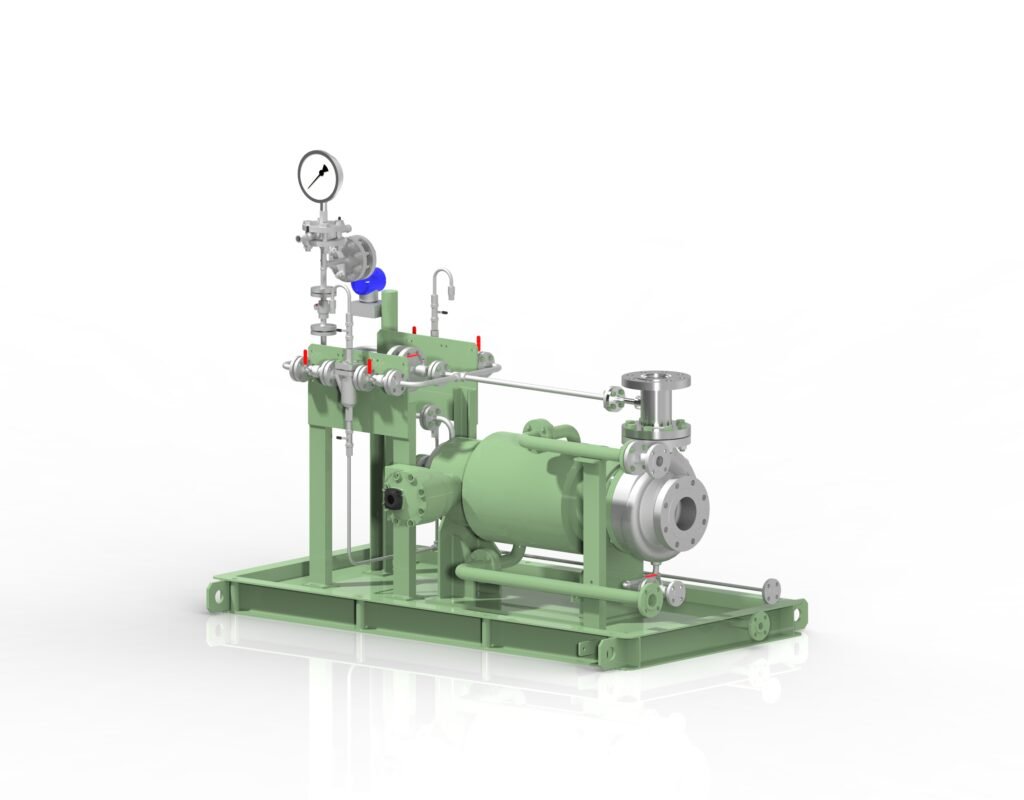

Canned Motor Pump Design: The Critical Factor in Safe Chlorine Liquefaction and Transfer
June 18, 2026
Why Chemical Plants Are Switching to API 685 Pumps: Cost vs Risk Perspective
June 21, 2026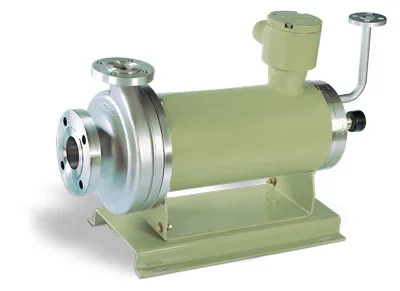
Most discussions around chlorine handling stop at chlor-alkali production. That misses where some of the toughest fluid handling problems actually begin.
Once chlorine moves downstream into EDC, VCM, and PVC manufacturing, process conditions become more chemically aggressive, thermally unstable, and operationally unforgiving. Toxicity remains a major concern, yes, but downstream vinyl processing adds another layer entirely: polymerisation sensitivity, volatile hydrocarbons, contamination control, and highly reactive intermediate chemistry.
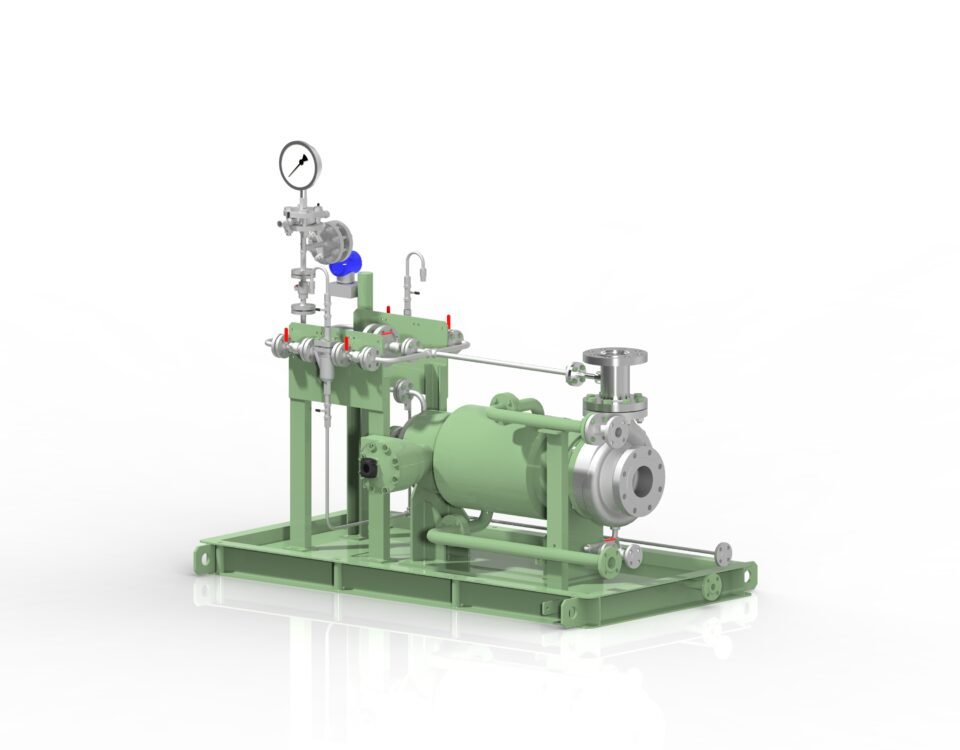
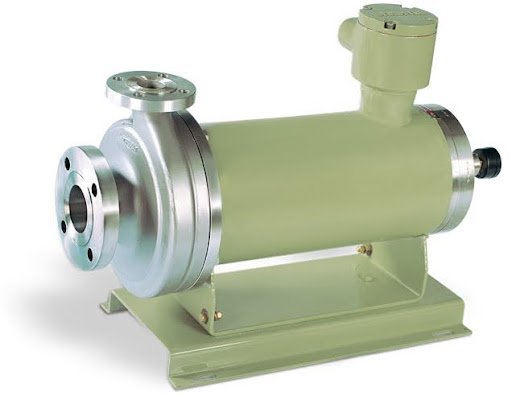
This is where the Canned Motor Pumps used in EDC/VCM/PVC plants become more than just leak-prevention equipment. In many cases, they become process protection devices. One small leak, one unstable seal system, or one contamination event can trigger production loss far beyond a single pump failure.
That reality changes how serious operators evaluate pumping systems.
Why downstream chlorine applications are more complex than chlor-alkali transfer
In chlor-alkali production, chlorine handling primarily revolves around containment and corrosion resistance.
Downstream vinyl plants deal with additional process complications:
- Chlorinated hydrocarbons
- Flammable fluids
- Temperature-sensitive monomers
- Polymer formation risk
- Vapour pressure instability
- Contamination-sensitive reactions
This creates operating conditions where conventional sealing systems often become long-term reliability liabilities rather than maintenance items.
And honestly, many failures inside VCM and EDC plants start gradually. Operators rarely see catastrophic problems immediately. Instead, systems degrade quietly until process stability begins slipping.
Understanding the EDC-VCM-PVC process chain
To understand where Canned Motor Pumps fit, the process sequence matters.
Ethylene Dichloride (EDC) production
EDC forms through direct chlorination or oxychlorination processes using chlorine and ethylene.
The process involves:
- Chlorine transfer
- Chlorinated hydrocarbon circulation
- Reactor feed systems
- Product purification loops
EDC itself introduces several pumping difficulties:
- Toxic vapours
- Volatile fluid behaviour
- Corrosion concerns
- Solvent-like leakage spread
Unlike simple water-based chemical systems, EDC leakage may evaporate rapidly while creating inhalation and environmental hazards simultaneously.
Why VCM service becomes even more demanding
VCM, or Vinyl Chloride Monomer, creates one of the most sensitive pumping environments in the chemical industry.
The fluid presents multiple operational hazards at once:
- Flammability
- Toxicity
- Vapour pressure sensitivity
- Carcinogenic exposure concerns
- Polymerisation potential
This combination creates severe reliability pressure on conventional pump seals.
Even very small leakage rates become unacceptable because VCM emissions carry both worker safety and environmental compliance implications.
In practical plant conditions, tiny seal leakage often escalates operationally because escaped vapours may:
- Trigger gas detection systems
- Create explosive atmosphere concerns
- Increase regulatory exposure
- Require area shutdown protocols
This is one reason Canned Motor Pumps became increasingly important in VCM transfer systems globally.
Polymerisation risk changes pump selection entirely
One issue rarely discussed outside actual PVC production environments is unintended polymer formation.
VCM can polymerise under unsuitable operating conditions.
This creates dangerous possibilities inside poorly controlled pumping systems:
- Internal deposit formation
- Flow restriction
- Bearing interference
- Heat accumulation
- Hydraulic instability
Conventional seal cavities sometimes create stagnant fluid zones where localised temperature rise and contamination accumulation occur.
That environment increases polymerisation risk.
A properly engineered Canned Motor Pump reduces these dead-zone exposure points because the system architecture maintains more controlled internal circulation without exposed atmospheric sealing chambers.
This becomes especially valuable during intermittent or variable-load operation.
Why fugitive emissions matter more in VCM facilities
VCM plants face strict fugitive emission monitoring requirements globally.
And for good reason.
Even low-level chronic leakage creates serious long-term exposure concerns.
Many facilities now monitor:
- Valve leakage
- Flange emissions
- Compressor sealing
- Pump seal performance
Traditional mechanical seal systems create continuous emission management burdens because even properly operating seals may release trace vapours over time.
Seal-less canned motor systems reduce this exposure pathway substantially.
That difference matters not only environmentally, but operationally and financially as well.
Why thermal stability becomes critical in EDC and VCM transfer
Temperature instability affects downstream chlorine chemistry heavily.
EDC and VCM systems often operate near conditions where fluid behaviour changes rapidly with thermal variation.
This creates several pumping risks:
- Vapour flashing
- Cavitation
- Pressure instability
- Reduced lubrication quality
- Internal recirculation disruption
Mechanical seals typically dislike unstable thermal environments.
Seal face lubrication films become inconsistent under flashing conditions, leading to:
- Dry running episodes
- Friction increase
- Seal wear acceleration
- Leakage progression
A Canned Motor Pump removes the external dynamic sealing interface entirely, improving containment reliability during unstable thermal conditions.
Why PVC plants create difficult slurry and suspension handling conditions
PVC production introduces another challenge that differs from upstream chlorine transfer.
The process now involves slurry and suspension movement during polymer production stages.
These applications may expose pumping systems to:
- Fine particle circulation
- Suspension instability
- Variable viscosity
- Fouling tendency
Seal systems operating in contaminated slurry conditions often experience abrasive wear around sealing surfaces.
Once wear begins, leakage rates usually increase progressively.
This is why some PVC facilities apply canned motor systems selectively in sensitive circulation zones where contamination control and leakage prevention carry high operational importance.
Why contamination control matters in vinyl production
VCM and PVC quality depends heavily on process consistency.
Unexpected contamination from external ingress may affect:
- Product purity
- Polymer characteristics
- Catalyst performance
- Reaction behaviour
Conventional sealed pumps create small but continuous opportunities for atmospheric contamination entry through seal degradation over time.
Hermetically sealed Canned Motor Pumps reduce this contamination pathway because the process fluid remains fully enclosed inside the pumping system boundary.
For high-purity process sections, this containment consistency becomes valuable operationally.
Why shutdown risk becomes expensive very quickly
EDC and VCM plants rarely tolerate unplanned shutdowns efficiently.
A single pump-related containment issue may trigger:
- Process isolation
- Vapour evacuation procedures
- Environmental reporting
- Production interruption
- Downstream polymer disruption
The financial impact often extends well beyond maintenance cost alone.
In integrated PVC production systems, upstream transfer instability can affect multiple connected production sections simultaneously.
This is why reliability engineering inside vinyl plants increasingly focuses on containment prevention rather than repair response.
Why canned motor systems support modern ESG expectations
Chemical producers face increasing pressure around:
- Fugitive emission reduction
- Worker exposure control
- Environmental compliance
- Process safety improvement
- Sustainable operation metrics
EDC and VCM systems receive particularly close regulatory attention because of the hazardous nature of chlorinated hydrocarbon emissions.
A Canned Motor Pump supports these operational goals by reducing external leakage pathways significantly.
And importantly, this is measurable.
Many facilities now track emission reduction through equipment selection directly rather than relying only on procedural controls.
Why maintenance teams increasingly prefer hermetically sealed systems
There is also a practical workforce issue emerging across chemical plants.
Specialised seal maintenance expertise is becoming harder to maintain consistently.
Conventional seal systems require:
- Alignment precision
- Flush plan management
- Seal face inspection
- Periodic replacement
- Leakage monitoring
Hermetically sealed systems reduce several of these intervention requirements.
Maintenance teams increasingly value systems that minimise repeated hazardous-area intervention altogether.
That shift is influencing equipment selection across many downstream chlorine processing facilities.
Why not every seal-less pump performs equally in VCM applications
This point matters.
Not all seal-less pump designs behave the same under EDC and VCM conditions.
Proper system selection depends on:
- Internal circulation design
- Motor cooling arrangement
- Material compatibility
- Vapour handling capability
- Bearing protection strategy
VCM applications especially require careful engineering because volatile monomer behaviour creates unstable hydraulic conditions under poor system design.
Reliable containment depends on the full pump architecture, not simply removal of mechanical seals.
Conclusion
EDC, VCM, and PVC production environments create some of the chemical industry’s most demanding fluid handling conditions. Toxic chlorinated hydrocarbons, volatile monomers, fugitive emission risk, polymerisation sensitivity, and thermal instability place enormous pressure on conventional pumping systems over long operating cycles.
This is why Canned Motor Pumps continue gaining importance across downstream chlorine processing facilities. Their hermetically sealed construction helps improve containment reliability, reduce fugitive emissions, minimise contamination risk, and support safer long-term operation in highly sensitive vinyl chemical applications.
We at HydrodynePump Teikoku support EDC, VCM, and PVC industries requiring engineered canned motor pump systems for hazardous chlorinated process applications. Our team helps chemical plants implement reliable seal-less pumping solutions designed for demanding continuous-duty operation, safer containment, and improved long-term process stability across downstream chlorine processing environments.
FAQs
Why are VCM applications difficult for conventional pumps?
VCM combines toxicity, flammability, vapour sensitivity, and polymerisation risk in one process fluid.
How do Canned Motor Pumps reduce fugitive emissions?
They eliminate external mechanical seals, which are common leakage points in hazardous chemical service.
Why is polymerisation a concern in VCM pumping?
Poor circulation or stagnant fluid zones may trigger unwanted polymer formation inside equipment.
Are canned motor systems suitable for EDC transfer?
Yes. They are widely used for hazardous chlorinated hydrocarbon handling applications.
Why are fugitive emissions monitored closely in VCM plants?
Even low-level VCM leakage creates serious worker exposure and environmental compliance concerns.
Can PVC slurry service damage conventional seals?
Yes. Fine suspended particles may accelerate seal face wear and leakage progression.
What makes hermetically sealed pumps valuable in downstream chlorine processing?
They improve containment reliability while reducing contamination risk and hazardous maintenance exposure.