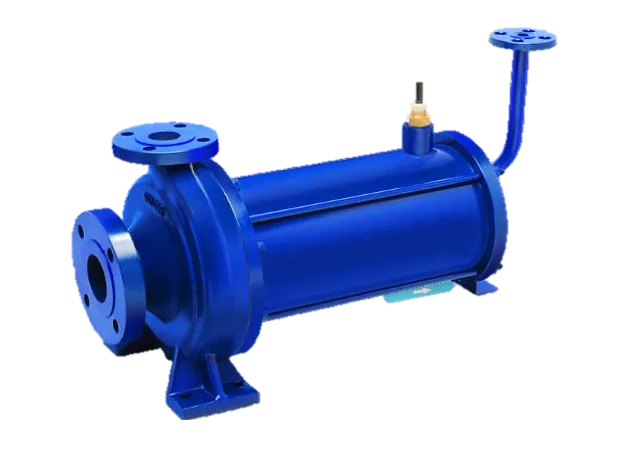


Canned Motor Pumps vs. Conventional Pumps: Key Differences Explained
October 9, 2026
Ammonia vs CO₂ Refrigeration: What Changes in Industrial Pump Selection?
November 2, 2026
As a chemical plant ages the pumps can often cause regular issues. Whether it be mechanical seal leaks, unexpected pump failures, increased maintenance costs or dealing with hazardous liquids. In these situations it may be beneficial to switch to sealless pumps.
However, this isn’t always the case. Depending on the liquid being dealt with, operating conditions, safety requirements and running costs, you may want to consider canned motor pump manufacturers in india.
This blog will explain how sealless pumps operate, when retrofitting makes sense and key factors to consider for chemical plant owners, EPCs and engineering consultants.
1. What is a sealless pump?
A sealless pump is designed with no dynamic shaft seal. This will help reduce any process liquid leakage from a traditional centrifugal pump.
Traditional pumps use mechanical seals to prevent any liquid leakage where a rotating shaft connects to the pump body. However mechanical seals can become worn overtime due to friction, vibrations, lack of lubrication or changes to operating conditions. If the seal becomes faulty, you can incur expensive repair costs, or potentially have a serious chemical leak.
Canned motor pumps have a motor and pump combined within a sealed system. The motor rotor is connected to the impeller with a single shaft. The wet rotor is protected by a barrier to keep it away from the motor stator. The liquid pumped can be circulated internally within the pump, often to lubricate the bearings and cool the motor.
As there is no rotating shaft seal, this can greatly reduce the risk of any leakage. This makes them perfect for pumping toxic, flammable, corrosive or volatile liquids.
Magnetic drive pumps are another option for sealless pumping. Whilst both can reduce the risk of leakage, they do differ in the design, operating conditions and maintenance.
2. When to retrofit to sealless pumps
Not all pumps will need retrofitting. However if you are experiencing regular seal failures, maintenance disruptions, or risks with chemicals then it may be time to consider sealless pumps.
Some key indicators are:
- Regular seal failures: This can increase maintenance costs and can take up time with your engineers.
- Regular leakage issues: If you are getting regular leakage warnings, smells of chemicals or can see leakage around your pump stations then it is worth considering.
- Unplanned downtime: Pump failures can cause issues with your output, delivery times and costs.
- Increased spares usage: Increased demand for spare parts can indicate that your equipment is no longer suitable to the operating conditions.
Depending on the liquid being pumped and the operating requirements, sealless pumps can be suitable for chemical processing, petrochemical, oil and gas, pharma and vegetable oil. However;
If you are pumping a toxic chemical intermediate you may decide to retrofit your transfer pump even if you don’t get many leaks. This is because even a small amount of leakage could cause serious safety and containment issues. Whereas if you are pumping water with little risk, you may not gain as many benefits from retrofitting.
Before approving any retrofits it is important to look at your maintenance history, leakage, equipment and downtime to see where you can gain the most value from reducing leakage and maintenance.
3. Key advantages and disadvantages of canned motor pumps
Canned motor pumps can have various advantages and can help reduce any leakage issues. As there is no dynamic shaft seal or external motor connection, you can reduce some of the issues associated with seal maintenance.
They are compact and can be useful in plants with limited space. If your plant deals with hazardous liquids, you can reduce any external leakage.
However, they aren’t completely maintenance free and aren’t suitable for all applications.
Dry running, poor lubrication or abrasive particulates and build up can cause damage to the internal bearings. They also require proper management of the heat from the motor. Depending on the duty and equipment chosen they may not be as energy efficient as traditional pump systems.
Below is a table outlining key advantages and considerations.
| Factor | Potential Advantage | Important Consideration |
| Leakage control | No conventional dynamic shaft seal | Other containment failures remain possible |
| Maintenance | Fewer seal-related repairs | Internal components may require specialist servicing |
| Installation | Integrated motor-pump design | Existing pipework may need modification |
| Energy use | Potential operational savings | Efficiency depends on duty and pump selection |
| Fluid compatibility | Suitable designs handle hazardous liquids | Solids, viscosity, and lubricity matter |
Its important to consider the overall cost. If you are pumping a low risk fluid with good leakage control and minimal maintenance requirements, a traditional pump may be more suitable.
4. How to assess retrofit costs and compatibility
A retrofit will be financially viable if you expect to gain more benefit from retrofitting. However, there is no set cost or payback period for all chemical plants.
The final price will depend on pump size, materials, liquid properties, site and the amount of modifications required. You should consider any labour costs, electrical changes, instrumentation, commissioning and downtime.
You should also consider running costs such as energy usage, scheduled maintenance, spares and potential leakage costs.
Within chemical plants in India, having local technical support and spares can also impact running costs. Ensure that your current pump can accommodate the new pump by looking at your foundations, piping, power and control systems.
Consider the below when deciding whether to retrofit:
- Determine what flow, pressure, temperature and duty cycle you require.
- Assess what type of liquid you are pumping. Is it toxic, flammable, corrosive, viscous or has solids?
- Look at previous seal failures, maintenance costs, leakage issues and downtime.
- Ensure that the materials, electrical and hazardous area requirements are compatible.
- Compare the lifetime costs and ask for a detailed technical proposal.
- Don’t assume that because the pump looks the same size it will fit. Nozzle positions, minimum flow and cooling can all impact installation.
5. How to select the right canned motor pump manufacturer in India
When selecting your supplier, you should ensure they have an understanding of your application. They should be able to advise on suitable materials, prove their capabilities and provide technical support.
When comparing canned motor pump manufacturers in india, ensure they can provide examples of applications, performance curves, materials and inspection processes. This will help you understand if the pump is suitable to your actual process and not just the pump size.
Within the petroleum, petrochemical and gas industry, API Standard 685 is an important standard to consider. The 3rd edition was published in July 2022 and outlines the requirements for sealless centrifugal pumps in the industry. This includes canned motor and magnetic drive pumps. The project team should ensure that they have the correct scope, edition and contractual requirements.
After sales support should also be considered. Can they help with commissioning, problem solving, maintenance training and spares? Within EPC contracts, government and strategic sector facilities, technical compliance and documented evidence may be essential.
A common error is to assume that all sealless pumps are interchangeable. Sealless pumps don’t guarantee there won’t be any leakage and you won’t need any maintenance. It is important to ensure the pump is correctly sized, compatible with the fluid, monitored and operated correctly.
Summary
Consider retrofitting to sealless pumps from Hydrodyne Pumps if you handle hazardous liquids that could endanger people, harm the environment, or cause costly downtime. Be sure to calculate the full lifetime cost of the pump, including installation, energy use, maintenance, downtime, and potential losses from leakage.
Ensure the fluid is compatible with the pump. Dry running, abrasive particulates, build up and poor lubrication can cause damage to internal components.
Ensure your supplier has the capability. Look at their engineering experience, standards, technical information and after sales support.
FAQ
1. Are canned motor pumps suitable for hazardous chemicals?
Yes. With the correct selection, canned motor pumps can be used for many hazardous chemicals. As they have no dynamic shaft seal. However, this will depend on the liquid properties, pressure, temperature, materials and safety requirements.
2. Can sealless pumps be used as a direct replacement for traditional centrifugal pumps?
Not always. Engineers should ensure the pump will perform hydraulically, has the correct nozzles, materials, electrical requirements, minimum flows and installation requirements. You may require modifications to your piping.
3. Are canned motor pumps more expensive?
It can depend on the application and specifications. To fairly compare, you should include the purchase cost, installation costs, energy, maintenance, spares and potential losses.
4. What is the standard for sealless pumps in petrochemical plants?
The API Standard 685 outlines the requirements for sealless centrifugal pumps within the petroleum, heavy duty petrochemical and gas industry. The project team should ensure they have the correct edition, scope and contractual requirements.
Conclusion
Retrofitting your ageing chemical plant with sealless pumps can be a sensible decision if you’re experiencing regular seal failures, dealing with hazardous liquids and experiencing maintenance issues. It is important to understand where sealless pumps can provide an advantage.
Look at the process conditions, liquid properties, safety requirements and maintenance history. Compare the suitable pump options based on expected lifetime costs and performance. By short listing some canned motor pump manufacturers in india with relevant engineering experience, suitable standards and reliable technical support can help.
By planning your retrofit you can reduce any risks with leakage from traditional shaft seals, making your pumps more reliable and operate safely. Speak to a qualified pump manufacturer to discuss your application requirements and ensure your specification will meet your plant requirements.