
How Canned Motor Pumps Help Prevent Toxic Exposure in Chlorine Handling
May 25, 2026
What Happens When a Pump Seal Fails in a Chlor-Alkali Plant? (Real Risk Analysis)
June 2, 2026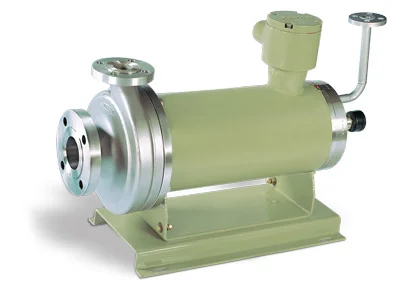
In chlor-alkali plants, equipment reliability is directly tied to worker safety. A leaking valve, failed seal, or unstable transfer pump handling chlorine or caustic soda can expose operators to highly hazardous chemicals within seconds. This is one reason industries handling these media increasingly rely on engineered containment systems and technologies such as the Canned Motor Pump. In hazardous chemical environments, reliability is not simply about keeping production running. It is about preventing toxic exposure, reducing leakage risk, and maintaining safe plant operation over long continuous duty cycles.
Chlorine and caustic soda are both essential industrial chemicals. They are also dangerous when containment systems fail.
Why chlorine and caustic soda create serious industrial risks
Chlor-alkali production facilities handle large volumes of chlorine gas, liquid chlorine, and sodium hydroxide every day.
Each chemical creates different hazards.
Chlorine primarily affects:
- Respiratory systems
- Eyes
- Skin
- Surrounding equipment through corrosion
Caustic soda mainly causes:
- Severe chemical burns
- Tissue damage
- Eye injury
- Corrosion under certain conditions
When both chemicals exist within the same processing environment, equipment reliability becomes far more important than many people outside the industry realise.
Even small leakage incidents may quickly escalate into safety emergencies.
Chlorine exposure can become dangerous very quickly
Chlorine is highly toxic even at relatively low concentrations.
When chlorine gas contacts moisture in the respiratory system, it forms corrosive acidic compounds that irritate and damage lung tissue.
Early exposure symptoms may include:
- Coughing
- Chest tightness
- Burning sensation in the throat
- Eye irritation
- Difficulty breathing
At higher concentrations, exposure becomes life-threatening.
One difficult aspect of chlorine exposure is that symptoms may continue developing after the initial incident. Personnel sometimes appear stable initially before respiratory complications worsen later.
This is why chlorine leak prevention receives enormous attention in industrial plant design.
Caustic soda hazards are often underestimated
Caustic soda does not receive the same attention as chlorine gas because it is less volatile.
Still, sodium hydroxide remains highly dangerous during direct contact exposure.
Concentrated caustic soda may cause:
- Severe skin burns
- Permanent eye damage
- Deep tissue injury
- Respiratory irritation from mist exposure
Leaks involving hot caustic solutions become even more hazardous because elevated temperature accelerates tissue damage.
Unlike some chemicals that create immediate visible warning signs, caustic exposure sometimes progresses before personnel fully recognise the severity of contact.
That delay increases injury risk.
Most exposure incidents begin with equipment failure
In many chlor-alkali facilities, hazardous exposure events begin with relatively small equipment problems.
Typical failure points include:
- Mechanical seals
- Valve packing
- Flange joints
- Pump shaft seals
- Corroded piping sections
- Instrument connections
Mechanical seals remain particularly vulnerable because they operate under continuous stress around rotating shafts.
Under chlorine and caustic service conditions, seals experience:
- Pressure fluctuation
- Thermal cycling
- Corrosion
- Vibration
- Process instability
- Friction wear
Eventually degradation occurs.
And in hazardous chemical service, even small leakage matters.
Why continuous operation increases reliability pressure
Most chlor-alkali plants operate continuously.
That means pumps, pipelines, valves, and containment systems remain under pressure for long operating periods without interruption.
Continuous operation increases exposure to:
- Thermal stress
- Vibration
- Seal wear
- Material fatigue
- Corrosion development
Equipment that performs well during commissioning may behave very differently after years of process duty.
This is why lifecycle reliability matters far more than short-term operating performance in hazardous chemical systems.
How chlorine leaks affect surrounding equipment
Chlorine leakage does not only affect personnel.
Moist chlorine environments create aggressive corrosion conditions around nearby infrastructure.
Over time, leakage may damage:
- Electrical systems
- Cable trays
- Structural steel
- Pipe supports
- Instrumentation
- Control panels
One hidden problem is that corrosion damage often spreads beyond the original leak point.
A minor leak around one pump seal may eventually affect an entire surrounding equipment area.
Electrical reliability becomes especially vulnerable because chlorine-related corrosion quietly attacks terminals, contacts, and sensitive instrumentation.
Fugitive emissions create long-term operational risk
Small leaks are often underestimated because they do not always trigger immediate shutdowns.
But recurring fugitive emissions create long-term operational problems such as:
- Increased maintenance requirements
- Higher inspection frequency
- Corrosion management costs
- Regulatory reporting
- Operator exposure risk
Over time, the indirect cost of repeated leakage often becomes larger than the original equipment repair cost itself.
This is one reason many chemical facilities now prioritise containment-focused equipment design during system upgrades.
Why conventional pump systems struggle in chlorine service
Conventional mechanically sealed pumps can operate effectively in many industrial applications.
Chlorine service creates additional complications.
Liquid chlorine systems frequently operate near vapour pressure limits. Small process fluctuations may generate vapour inside the pump system.
When vapour affects mechanical seals:
- Seal lubrication becomes unstable
- Seal face temperatures rise
- Leakage risk increases
- Seal wear accelerates
Continuous process variation makes maintaining stable seal conditions difficult over long periods.
This is exactly where seal-less technologies became increasingly important in chlor-alkali applications.
How a Canned Motor Pump improves containment reliability
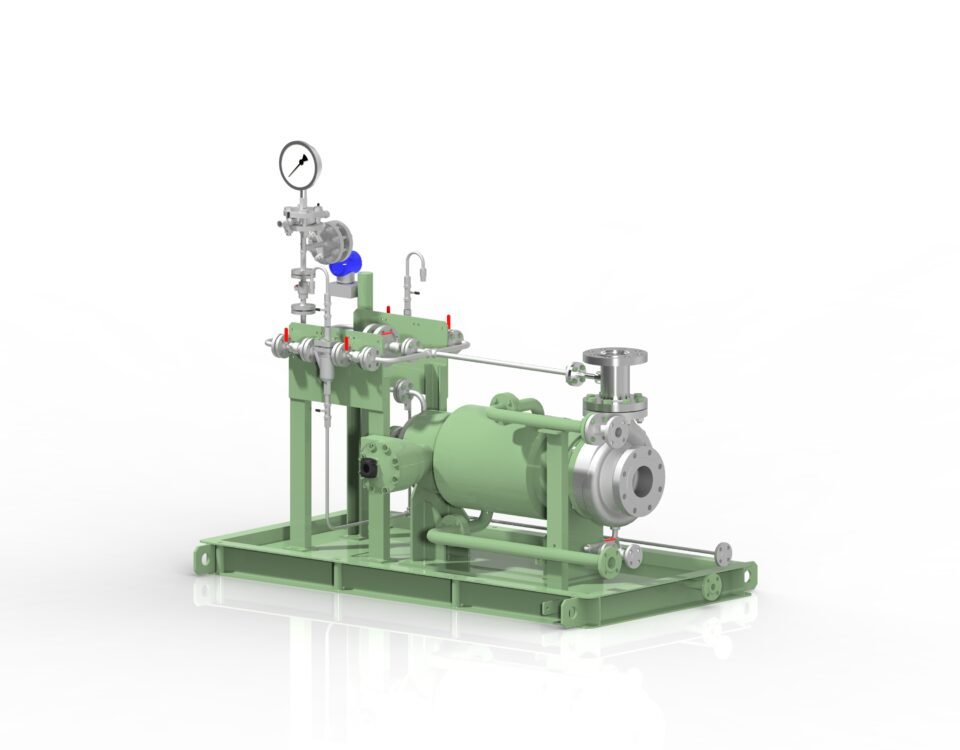
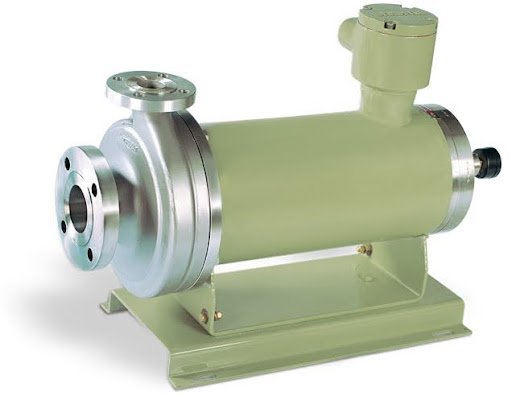
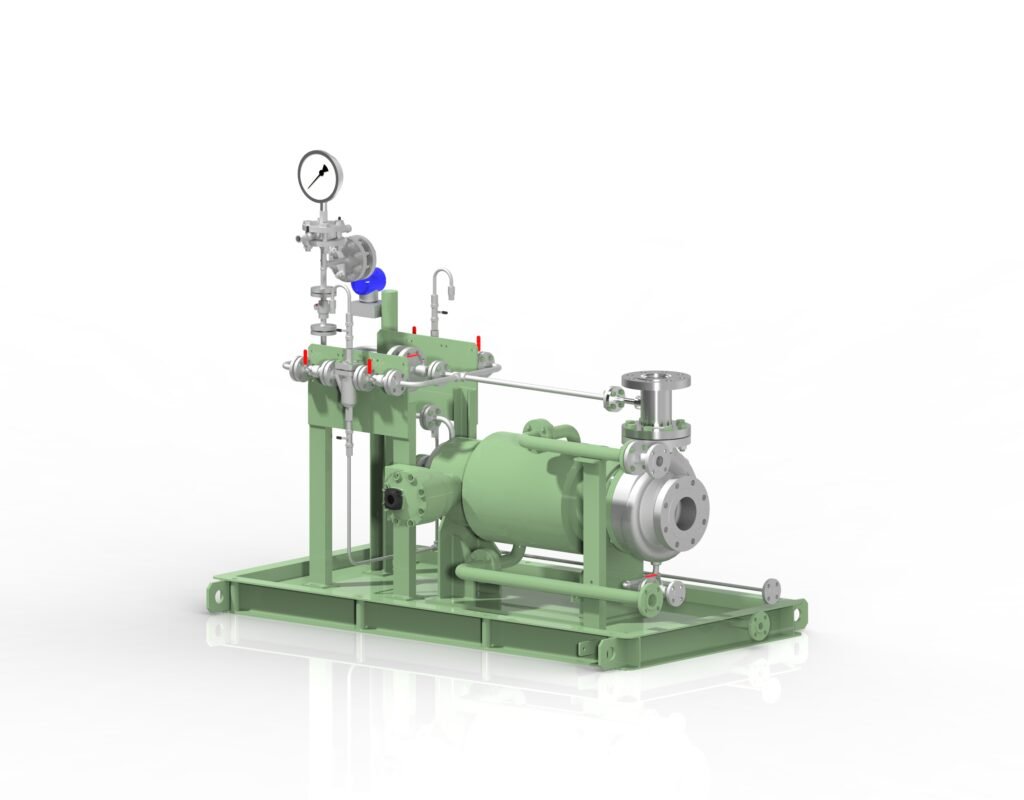
A Canned Motor Pump uses hermetically sealed construction where the motor and pump operate as a single enclosed unit.
There is:
- No external rotating shaft
- No exposed mechanical seal
- No shaft seal leakage point
- No coupling alignment requirement
The process fluid remains fully contained inside the system.
For hazardous chlorine handling, this design significantly reduces one of the most common leakage sources found in conventional pump systems.
Reduced maintenance exposure improves worker safety
Maintenance activities around chlorine and caustic handling systems often create the highest exposure risk for personnel.
Seal replacement, flushing system maintenance, and leak inspection require technicians to work close to hazardous process equipment.
Seal-less systems reduce many of these intervention points.
That means:
- Less maintenance frequency
- Fewer emergency repairs
- Reduced operator exposure
- Safer maintenance environments
Over long operating periods, reducing maintenance interaction around hazardous chemicals becomes a major safety advantage.
Reliability and safety are now closely connected
Years ago, some facilities treated equipment reliability and process safety as separate engineering discussions.
That distinction no longer works well in hazardous chemical service.
An unreliable chlorine pump eventually becomes a safety concern.
A leaking caustic transfer system eventually becomes a personnel exposure issue.
Repeated maintenance intervention increases operational risk over time.
Modern chlor-alkali plants increasingly recognise that stable leak-free equipment operation directly supports safer working conditions.
Why environmental compliance also depends on reliability
Environmental regulations around chlorine handling continue becoming stricter.
Facilities are expected to minimise:
- Fugitive emissions
- Atmospheric release risk
- Operator exposure
- Containment failures
Equipment reliability therefore affects regulatory compliance directly.
A poorly maintained or unstable transfer system increases the probability of reportable release incidents, environmental investigations, and production interruptions.
Containment reliability is now part of environmental management strategy, not only maintenance planning.
Corrosion-resistant materials are equally important
Pump design alone is not enough.
Material selection remains critical in chlorine and caustic applications because unsuitable metallurgy may degrade rapidly under process conditions.
Depending on service requirements, systems may require:
- Hastelloy
- Duplex stainless steel
- Nickel alloys
- Titanium
- Special corrosion-resistant materials
Improper material selection eventually compromises containment integrity regardless of pump design quality.
Why chlor-alkali plants increasingly adopt seal-less systems
The chlor-alkali industry has gradually moved toward containment-first engineering.
Instead of assuming some leakage will occur and designing systems to manage it later, many facilities now focus on eliminating leakage paths wherever possible.
This shift has increased adoption of:
- Hermetically sealed systems
- Seal-less transfer pumps
- Canned motor technology
- Fully enclosed process equipment
The objective is straightforward.
Prevent hazardous chemical exposure before emergency response procedures become necessary.
Conclusion
Chlorine and caustic soda handling systems create serious safety risks when equipment reliability begins deteriorating. Toxic gas exposure, chemical burns, corrosion damage, fugitive emissions, and repeated maintenance intervention often trace back to small containment failures that worsen gradually over time.
That is why equipment reliability plays such an important role in chlor-alkali operations today. Technologies such as the Canned Motor Pump help improve containment integrity by removing common leakage points associated with conventional mechanically sealed systems. The result is safer operation, reduced operator exposure, improved environmental performance, and greater long-term process stability under demanding hazardous chemical conditions.
We at HydrodynePump Teikoku support industries operating in critical chlorine and caustic soda applications where containment reliability is essential. Our team helps chlor-alkali and chemical processing facilities implement engineered seal-less pumping systems designed for leak-free operation, safer process environments, and reliable long-term performance in hazardous duty conditions.
FAQs
Why is chlorine considered highly hazardous in industrial plants?
Chlorine is toxic even at low concentrations and may cause severe respiratory damage.
What injuries can caustic soda exposure cause?
Caustic soda may cause severe burns, eye damage, and deep tissue injury during direct contact.
How does a Canned Motor Pump improve safety?
It eliminates external mechanical seals, reducing leakage and toxic exposure risk.
Why are mechanical seals vulnerable in chlorine service?
Pressure variation, vapour formation, corrosion, and thermal cycling accelerate seal wear over time.
What are fugitive emissions in chlor-alkali plants?
They are unintended chemical leaks or vapour releases from equipment during operation.
Why is maintenance exposure a concern in chlorine handling?
Personnel working near hazardous chemical equipment face increased exposure risk during repair and inspection activities.
Are seal-less pumps suitable for continuous chemical processing?
Yes. Seal-less systems are widely used in continuous hazardous chemical applications requiring reliable containment.